A Guide to Crypto ATMs
December 25, 2025
Legislative Impact: How the New Bill Crypto Clauses Affect DeFi
December 25, 2025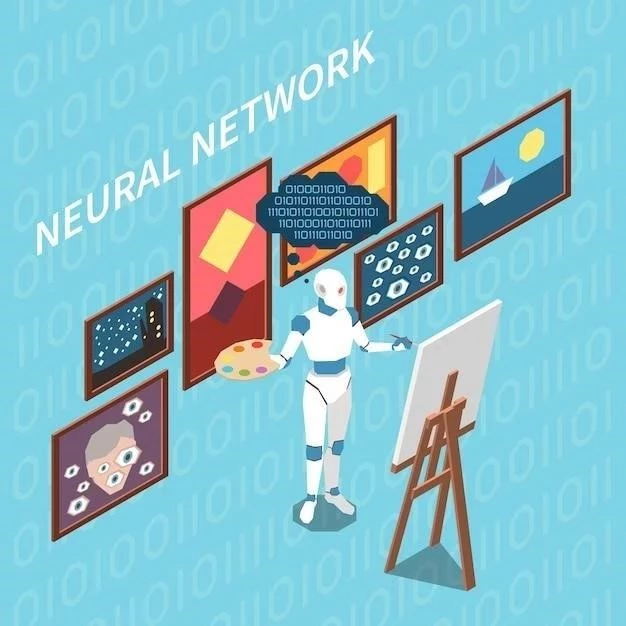
The advent of artificial intelligence is rapidly transforming various sectors, and its impact on the creative industries is proving profoundly significant. This technological revolution, once confined to science fiction, is now actively reshaping how art, music, and design are conceptualized and produced. AI tools are redefining traditional artistic boundaries, ushering in an exciting new era of digital innovation, challenging established paradigms and opening unprecedented avenues for expression.
I; AI as a Co-Creator: Enhancing Human Creativity
Artificial intelligence is increasingly positioned not as a replacement for human ingenuity but as a powerful collaborator. It empowers artists, designers, and creators by providing innovative tools and fresh perspectives, thereby significantly enhancing the creative process. AI systems act as intelligent partners, helping humans explore novel ideas, generate variations, and overcome creative barriers, pushing the boundaries of what’s possible in art and design.
A. Music Composition and Production
In music, AI is profoundly reshaping both composition and production, acting as a dynamic co-creator. AI algorithms generate intricate melodies, harmonies, and rhythmic patterns, drawing from vast musical datasets across genres. This empowers composers to explore new sonic territories, overcome creative blocks, and swiftly prototype complex arrangements. AI can learn stylistic nuances of artists or eras, then compose new pieces that blend originality with familiar aesthetics. This integration provides an intelligent partner, capable of suggesting unexpected musical directions or completing sections with stylistic consistency, significantly accelerating and diversifying the creative workflow. Beyond composition, AI’s transformative impact extends into production. Sophisticated intelligent mixing and mastering tools analyze audio tracks with remarkable precision, applying optimal equalization, compression, and spatial effects. These systems identify instruments, assess sonic qualities, and propose adjustments for a polished, professional sound, assisting both novice and seasoned producers. AI also synthesizes unique soundscapes, textures, and effects, adding novel sonic dimensions. Furthermore, AI-driven vocal synthesis and harmonization offer unparalleled flexibility, allowing artists to experiment with diverse vocal arrangements or generate expressive synthetic voices. This symbiotic relationship between human artistic vision and AI’s analytical prowess democratizes high-quality music creation, making advanced techniques accessible to independent artists and hobbyists. It liberates musicians from time-consuming technical tasks, enabling them to channel energy into the artistic core of their work. The collaborative potential is immense, fostering innovation and pushing the boundaries of musical expression. This new era sees the technology and artistry intertwining to craft richer, more diverse auditory experiences, underscoring AI as an invaluable enhancer of human creativity, expanding musicians’ toolkits, and enabling them to realize artistic visions with enhanced efficiency and imaginative scope.
B. Visual Arts and Design Generation
AI’s influence in visual arts and design is revolutionary, altering how creators approach their craft. Advanced algorithms, notably Generative Adversarial Networks (GANs), empower artists and designers to produce stunning, original imagery and designs rapidly. AI systems generate photorealistic landscapes, abstract art, character designs, and product concepts from text prompts or reference images. This frees artists from mundane tasks, allowing focus on conceptualization, transforming ideas into visual realities instantly.
In graphic design, AI tools automate layout, suggest optimal typography, and create dynamic visual assets. Designers leverage AI to rapidly iterate countless design variations, exploring diverse aesthetics and brand identities without extensive manual effort. This accelerates design, making it efficient, responsive, and fostering creative exploration. AI-powered image editing performs complex tasks like background removal, object manipulation, and stylistic adjustments with remarkable accuracy, significantly reducing post-production time.
Architectural visualization benefits immensely as AI generates detailed 3D models and realistic renderings, incorporating environmental factors and textures. This allows architects and clients to visualize projects in lifelike detail before construction, streamlining planning and approval. Fashion designers utilize AI to predict trends, generate new garment patterns, and create virtual prototypes, minimizing waste and accelerating development. AI’s ability to learn artistic styles acts as an invaluable assistant, helping artists refine their unique visual language or experiment with new ones.
The collaborative potential between human artists and AI in visual domains is vast. AI serves as an intelligent muse, tireless assistant, and powerful experimentation tool. It augments human capabilities, pushing visual boundaries, enabling art and design previously unimaginable. This synergy fosters a new era of artistic exploration, making sophisticated visual creation more accessible and innovative for creators, from digital artists to industrial designers, solidifying AI’s transformative role in the visual creative landscape.
II. Ethical Considerations and Future Challenges
AI’s swift integration into creative industries introduces complex ethical considerations and significant future challenges. Copyright and ownership present a primary contentious issue. When an AI system generates music, visual art, or design, who owns the intellectual property? Is it the developer, the user, or should the AI receive attribution? This ambiguity complicates legal frameworks, challenging authorship and demanding new guidelines or novel legal precedents.
Authenticity and value of AI-generated content present another pressing concern. As AI produces works indistinguishable from human creations, questions emerge on intrinsic worth, emotional resonance. Does AI art diminish human uniqueness, or merely offer new expressive mediums? Transparency about origins is crucial for trust between human and AI. Job displacement within creative fields looms. While AI augments human efforts, its advancement could automate tasks traditionally performed by artists, musicians, and designers, necessitating re-evaluation of educational paths and economic support for creatives.
Data bias implications are critical. AI models learn from vast datasets, often reflecting societal biases, potentially leading to outputs perpetuating stereotypes or lacking diversity. Developing fair, inclusive, and unbiased AI systems is paramount to prevent exacerbating social inequalities in creative representations. Deepfakes and AI-generated misinformation also pose a grave threat, blurring reality and fabrication with profound societal consequences. Addressing these challenges requires robust regulatory frameworks, public discourse, and a commitment to developing AI responsibly, ensuring its power enhances rather than undermines human creativity and ethical standards.
A New Era of Collaboration
The journey through the evolving landscape of artificial intelligence in creative industries reveals a profound shift from traditional artistic methods to a collaborative paradigm. We’ve explored how AI is no longer a mere tool but a co-creator, significantly augmenting human capabilities in diverse fields such as music composition and visual arts. From generating novel melodies to crafting intricate designs, AI systems are expanding the horizons of artistic expression, enabling creators to push boundaries previously unimaginable. This technological integration, however, is not without its complexities, as highlighted by the critical ethical considerations surrounding intellectual property, authenticity, potential job displacement, and the imperative to mitigate data biases.
The challenges, while substantial, underscore the necessity for thoughtful development and responsible implementation. Instead of perceiving AI as a threat to human ingenuity, the emerging consensus points towards a future where human intuition and AI’s computational power converge to form an unprecedented creative alliance. This new era of collaboration promises to unlock innovative forms of art, design, and entertainment, fostering a richer, more diverse cultural tapestry. The key lies in establishing clear ethical guidelines, robust legal frameworks, and educational initiatives that prepare creatives for this evolving environment. By embracing AI as a powerful partner, rather than a competitor, humanity stands at the precipice of an artistic renaissance, where the fusion of human creativity and artificial intelligence paves the way for boundless innovation and shared artistic achievements. The synergy between human creativity and AI’s analytical prowess will define the next chapter, ensuring a future where technology serves to elevate the human spirit and enrich our collective experience of art.