

Profit Projection: Using a Calculator Crypto Tool for Staking Rewards
December 24, 2025
Artificial Intelligence Reshaping Creativity and the Arts
December 25, 2025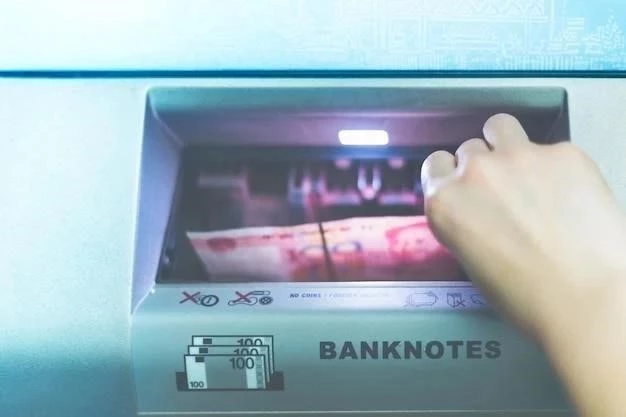
In a digital financial landscape, crypto ATMs offer a tangible gateway for individuals to interact with digital assets. These machines, often resembling traditional cash machines, enable users to buy or sell cryptocurrencies like Bitcoin and Ethereum using physical cash or debit cards. They simplify acquiring and divesting digital currency for a broader audience, including those unfamiliar with online exchanges or lacking traditional banking access.
Global proliferation underscores growing demand for accessible crypto solutions. From urban centers to remote communities, these machines democratize access to the decentralized financial ecosystem. This article explores crypto ATM mechanics, pros, cons, and future role in digital finance.
What is a Crypto ATM?
A Crypto ATM (BTM) is a physical kiosk allowing cash-to-crypto, and sometimes crypto-to-cash, exchange. Unlike traditional ATMs connecting to bank accounts, crypto ATMs link to a crypto exchange or blockchain network. They serve as a vital intermediary, streamlining the conversion between fiat currency and digital assets without requiring users to navigate complex online trading platforms or undergo lengthy verification processes associated with centralized exchanges.
Equipped with a QR code scanner, cash dispenser/acceptor, and screen, their user-friendly design replicates conventional ATMs, lowering the barrier for crypto newcomers.
How Do Crypto ATMs Work?
The operational flow of a crypto ATM varies slightly depending on whether a user is buying or selling cryptocurrency and the specific machine’s features. However, core principles remain consistent.
Buying Cryptocurrency
- Identity Verification (KYC/AML): Most reputable crypto ATMs require identity verification, especially for transactions exceeding a certain threshold. This often involves scanning a government-issued ID, entering a phone number for SMS verification, or even facial recognition. This step is crucial for Anti-Money Laundering (AML) and Know Your Customer (KYC) compliance, ensuring legal and ethical operation.
- Select Cryptocurrency and Amount: Users choose the cryptocurrency they wish to purchase (e.g., Bitcoin, Ethereum, Litecoin) and the amount in fiat currency.
- Provide Wallet Address: The user presents their cryptocurrency wallet address, typically by scanning a QR code displayed on their mobile phone or printed wallet. This ensures the purchased crypto is sent directly to their personal digital wallet.
- Insert Cash: The user inserts the desired amount of cash into the machine.
- Confirm Transaction: After reviewing transaction details (exchange rate, fees), the user confirms the purchase. The cryptocurrency is then sent to the provided wallet address, usually arriving within minutes, depending on network congestion.
Selling Cryptocurrency (Two-way ATMs)
- Identity Verification: Similar to buying, selling often requires identity verification.
- Select Cryptocurrency and Amount to Sell: The user specifies which cryptocurrency to sell and the fiat amount they wish to receive.
- Receive Machine’s Wallet Address: The ATM displays a unique cryptocurrency wallet address (usually a QR code) where the user sends their crypto.
- Send Cryptocurrency: The user sends the specified crypto amount from their personal wallet to the ATM’s displayed address.
- Receive Cash: Once the transaction is confirmed on the blockchain (after network confirmations), the ATM dispenses the corresponding fiat cash. This waiting period can sometimes be longer than buying, depending on blockchain network load and confirmation requirements.
Types of Crypto ATMs
Crypto ATMs are broadly categorized into two main types based on functionality:
- One-Way ATMs (Buy Only): These machines allow users only to purchase cryptocurrencies with cash. They are simpler to operate and often have lower installation costs, making them a common choice for initial deployments.
- Two-Way ATMs (Buy & Sell): More versatile, these machines enable users to both buy cryptocurrencies with cash and sell cryptocurrencies for cash. They offer a complete fiat-to-crypto and crypto-to-fiat conversion service, providing greater utility but are more complex to maintain and regulate.
Advantages of Crypto ATMs
Crypto ATMs offer several compelling benefits contributing to their growing popularity:
-
Accessibility and Convenience
For many, especially those new to cryptocurrency, the physical presence of an ATM provides familiarity and trust. They eliminate the need for internet access or a bank account for direct crypto transactions, making them accessible to a broader demographic, including the unbanked or underbanked. Their intuitive interfaces simplify what can otherwise be perceived as a complex and intimidating process for newcomers.
-
Speed and Instant Transactions
Unlike traditional bank transfers that can take days, crypto ATM buying transactions are often near-instant, reaching the user’s wallet within minutes. Selling transactions are also relatively fast once blockchain confirmations are met, providing quick access to cash.
-
Relative Privacy (with caveats)
While many crypto ATMs now require KYC verification, especially for larger transactions, smaller purchases might still be possible with minimal personal information, offering a degree of privacy compared to online exchanges that demand extensive personal data and bank linkages.
-
Bridging the Unbanked/Underbanked Gap
In regions with limited traditional banking infrastructure or for individuals without bank accounts, crypto ATMs offer a crucial financial tool. They provide a pathway to participate in the digital economy, send remittances, or access financial services otherwise out of reach.
Disadvantages and Challenges
Despite their benefits, crypto ATMs also come with drawbacks and operational challenges:
-
High Fees and Less Favorable Exchange Rates
Operators incur costs for hardware, maintenance, security, and regulatory compliance, passed on as higher transaction fees (5% to 15% or more), significantly exceeding online exchange fees. Exchange rates offered by ATMs might also be less competitive compared to major online platforms.
-
Transaction Limits
Due to Anti-Money Laundering (AML) regulations, most crypto ATMs impose daily or per-transaction limits. These can be restrictive for users making larger investments or divestments, necessitating multiple transactions or online platforms.
-
Security Concerns
Physical ATMs are susceptible to vandalism, theft, or tampering. Users face risks from incorrect wallet addresses, as crypto transactions are irreversible. Reliance on mobile phones for wallet access can expose users to phishing or other digital security threats.
-
Evolving Regulatory Landscape
The legal and regulatory framework for crypto ATMs is still developing and varies significantly across jurisdictions. This creates uncertainty for operators and users, potentially leading to sudden changes or bans. Compliance with diverse regulations is a constant challenge.
-
Limited Cryptocurrency Options
Most crypto ATMs primarily support popular cryptocurrencies like Bitcoin (BTC), Ethereum (ETH), and sometimes Litecoin (LTC) or Bitcoin Cash (BCH). Users looking for a wider array of altcoins typically need online exchanges.
Security and Regulatory Aspects
Crypto ATM operation is heavily influenced by security and regulatory considerations, balancing accessibility with preventing illicit activities.
-
KYC/AML Compliance
Strict Know Your Customer (KYC) and Anti-Money Laundering (AML) protocols are fundamental. Operators must verify user identities, monitor transactions for suspicious patterns, and report large transactions to authorities. This aligns crypto ATMs with traditional financial services for compliance.
-
Data Privacy
While KYC collects personal data, operators are responsible for safeguarding this information. Users should be aware of collected data (ID scans, phone numbers, transaction history) and the privacy policies of the ATM operator; Reputable operators adhere to data protection regulations like GDPR or CCPA where applicable.
The Future of Crypto ATMs
The trajectory for crypto ATMs appears promising, positioning them as a vital component in broader digital currency adoption:
- Continued Growth: The global number of crypto ATMs has steadily increased, indicating sustained demand for physical access points. Growth is expected to continue as cryptocurrency gains mainstream acceptance.
- Technological Advancements: Future ATMs may support more cryptocurrencies, offer sophisticated biometric authentication, and integrate with other financial services like bill payments or prepaid card top-ups. User interfaces will likely become even more intuitive and feature-rich.
- Enhanced Regulatory Clarity: As governments and financial bodies develop clearer crypto regulations, the operational environment for crypto ATMs will stabilize, potentially leading to standardized practices and reduced compliance burdens.
- Role in Mainstream Adoption: By serving as a convenient, tangible entry point, crypto ATMs will continue to play a crucial role in onboarding new users to the cryptocurrency ecosystem, accelerating its integration into everyday financial life.
Crypto ATMs represent an innovative and practical solution at the intersection of traditional finance and the burgeoning digital asset space. They offer unparalleled convenience and accessibility, particularly for those new to cryptocurrency or without access to conventional banking. While challenges such as high fees, transaction limits, and evolving regulatory landscapes persist, continuous advancements in technology, coupled with increasing regulatory clarity, are poised to significantly enhance their utility and broaden their reach.
As the world moves further into a digital economy, crypto ATMs stand as crucial infrastructure, empowering individuals with direct control over their digital assets and fostering greater financial inclusion. They are not merely machines for exchanging currency; they are symbols of a financial revolution, bridging the gap between the physical cash economy and the decentralized future of finance, making cryptocurrency tangible and accessible to all.