

EVM Compatibility: The Growth Strategy of the Cronos Crypto Ecosystem
December 27, 2025
Cryptocurrency A Comprehensive Overview
December 28, 2025Modern metropolitan areas face persistent challenges in urban transportation, with systemic congestion a pervasive issue․ Burgeoning populations and escalating vehicle densities necessitate a paradigm shift in traffic management and strategic city planning․ This imperative extends beyond mere road construction, demanding the integration of advanced technological frameworks within urban infrastructure to foster truly responsive smart cities․
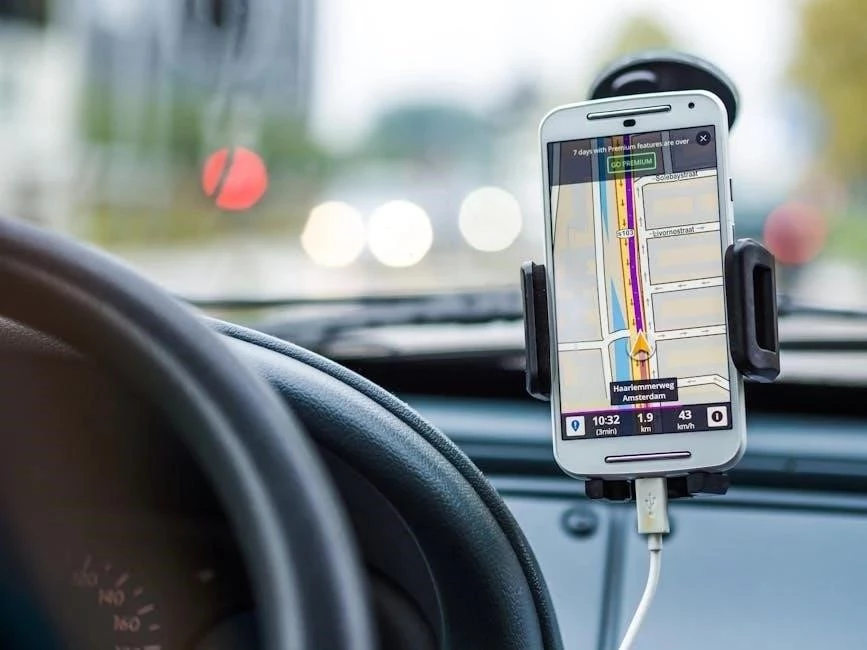
Effective traffic management is foundational to alleviating urban strain․ A comprehensive approach involves bolstering public transit networks and actively promoting initiatives for sustainable mobility․ Leveraging granular real-time traffic data is critical; this information empowers sophisticated algorithms for route optimization, guiding vehicles through the most efficient pathways and significantly enhancing overall urban transportation efficiency․ Such data-driven strategies are indispensable for mitigating daily gridlock experienced by commuters․
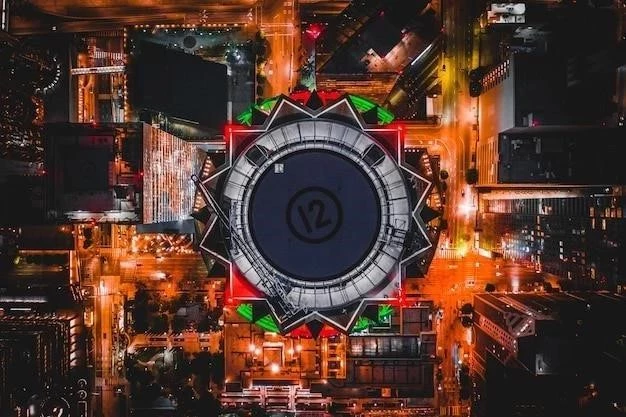
Large-scale event venues, exemplified by modern arenas, introduce distinct complexities to the urban fabric․ These facilities, designed to host thousands, invariably exacerbate localized congestion during peak event periods․ Ensuring seamless venue accessibility becomes a formidable task when traditional parking solutions prove inadequate․ The resultant bottlenecks not only impede attendee flow but also cascade adverse effects across the broader urban road network, underscoring the urgent need for innovative and integrated parking solutions․
The advent of smart parking systems represents a pivotal advancement in addressing these challenges․ These sophisticated systems utilize an array of sensors and interconnected digital platforms to provide precise, real-time traffic information regarding available parking spaces․ This capability facilitates dynamic route optimization directly to unoccupied spots, drastically reducing search times and associated emissions․ Such technology transforms the parking experience from a source of frustration into a streamlined component of the journey․
Further enhancing these advanced parking solutions is the strategic integration of blockchain technology․ This decentralized, immutable ledger system offers a robust framework for securely managing parking reservations, validating vehicle access, and facilitating next-generation payment systems․ Specifically, the adoption of cryptocurrency payments presents a novel, secure, and potentially frictionless transaction method for parking fees․ This innovation bypasses traditional banking intermediaries, offering enhanced security and transparency for both operators and consumers, aligning with the ethos of digital arenas․
Implementing dynamic demand pricing, informed by real-time occupancy rates and anticipated event attendance, can effectively optimize parking utilization and revenue generation․ Seamless integration with digital ticketing platforms for event venues further streamlines the entire attendee experience, from initial ticket purchase to parking allocation and venue entry․ This holistic approach significantly improves overall venue accessibility and elevates customer satisfaction․
The continuous application of sophisticated traffic analytics, derived from diverse urban data streams, furnishes invaluable insights for proactive traffic management and long-term city planning initiatives․ These data-driven perspectives are instrumental in developing resilient, efficient, and future-proof urban infrastructure, thereby advancing the overarching vision of genuinely responsive smart cities․ The ongoing evolution of global payment systems, particularly through the transformative potential of blockchain technology and the widespread acceptance of cryptocurrency payments, promises unparalleled advancements in security, efficiency, and user convenience across all facets of urban life, including urban transportation and highly specialized parking solutions․


8 Comments
This piece effectively frames the discussion within the broader context of smart city development. The integration of advanced technological frameworks is presented not merely as an option but as an essential component for fostering truly responsive and efficient metropolitan environments.
A crucial aspect addressed is the imperative to bolster public transit networks and promote sustainable mobility initiatives. This underscores the holistic approach required, acknowledging that technological advancements must be complemented by robust public transportation strategies.
The implicit economic and environmental benefits arising from the proposed solutions, such as reduced search times and associated emissions, are substantial. The article subtly highlights how efficiency gains directly contribute to an improved quality of urban life and ecological responsibility.
The article provides a highly pertinent and comprehensive analysis of the persistent challenges in urban transportation. Its articulation of the necessity for a paradigm shift towards integrated technological frameworks within urban infrastructure is particularly insightful and timely.
The emphasis on leveraging granular real-time traffic data for route optimization is a critical highlight. This data-driven approach is foundational to achieving significant enhancements in urban transportation efficiency and mitigating pervasive gridlock, as effectively demonstrated.
The article’s specific focus on the distinct complexities introduced by large-scale event venues is commendable. Identifying these localized congestion points and advocating for innovative solutions beyond traditional parking is vital for seamless urban integration.
While outlining compelling solutions, the article implicitly raises important considerations regarding the practical implementation and scalability of these advanced systems across diverse urban landscapes. Further exploration into supportive policy frameworks would be a valuable extension.
The detailed exposition on smart parking systems as a pivotal advancement is exceptionally well-articulated. The capacity for real-time information and dynamic route optimization to unoccupied spots represents a significant leap in urban efficiency and environmental sustainability.