
Investing in Cryptocurrencies Key Factors and Top Picks
January 25, 2026Jupiter Unveiling Solana’s Liquidity Hub
January 26, 2026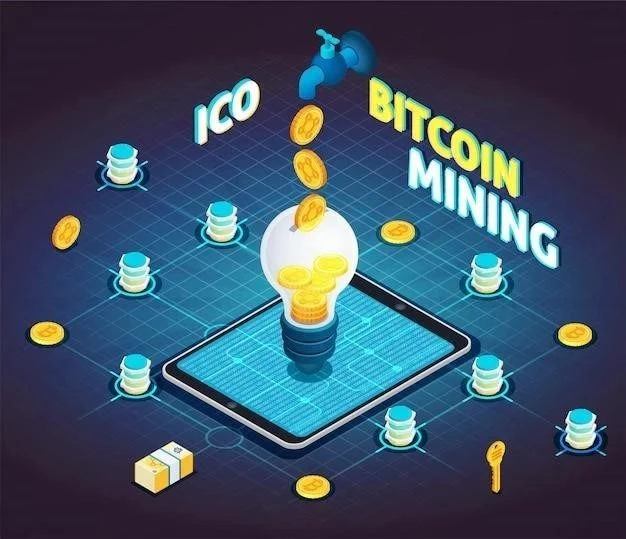
Cryptocurrency mining is the backbone of many decentralized digital currencies, a process vital for verifying transactions and adding new blocks to a blockchain. Far from physical excavation, “mining” in the crypto world involves powerful computers solving complex computational puzzles. This intricate process not only secures the network but also introduces new units of cryptocurrency into circulation, akin to how traditional mining extracts precious metals from the earth. As the digital economy expands, understanding the mechanics, challenges, and evolution of crypto mining becomes increasingly crucial for anyone interested in blockchain technology and its future.
The Fundamentals of Cryptocurrency Mining
At its core, crypto mining is a decentralized ledger maintenance system. Miners compete to solve cryptographic puzzles, and the first to succeed gets to add the next block of verified transactions to the blockchain, earning a reward in the process.
What is Mining?
Mining is the process by which new cryptocurrencies are created and transactions are validated on a blockchain network. For cryptocurrencies utilizing a Proof-of-Work (PoW) consensus mechanism, like Bitcoin, miners use specialized hardware to perform calculations. These calculations are attempts to find a specific hash value – a string of alphanumeric characters – that meets certain criteria. This process ensures the integrity of the network by making it computationally intensive to alter past transactions.
Proof-of-Work (PoW) Explained
PoW is the original consensus algorithm used by Bitcoin and many other cryptocurrencies. It requires participants (miners) to expend computational effort to solve a mathematical puzzle. The characteristics of PoW include:
- Computational Puzzle: Miners must find a nonce (a number used only once) that, when combined with transaction data and the previous block’s hash, produces a new hash below a target difficulty.
- Difficulty Adjustment: The network automatically adjusts the puzzle’s difficulty to ensure new blocks are found at a consistent rate (e.g., every 10 minutes for Bitcoin).
- Verification: Once a miner finds a valid solution, they broadcast it to the network. Other nodes quickly verify the solution, confirming the block’s validity.
- Security: The immense computational power required makes it extremely difficult for malicious actors to rewrite the blockchain, thus preventing double-spending.
Rewards for Miners
When a miner successfully adds a new block to the blockchain, they receive two types of rewards:
- Block Reward: Newly minted cryptocurrency tokens. This is the primary incentive and how new coins enter circulation. For Bitcoin, this reward halves approximately every four years in an event known as “halving.”
- Transaction Fees: Fees voluntarily paid by users to prioritize their transactions. These fees accumulate within the block and are awarded to the miner who successfully validates that block.
Essential Components for Crypto Mining
To embark on a crypto mining journey, specific hardware, software, and environmental conditions are paramount.
Hardware
- CPUs (Central Processing Units): Early Bitcoin mining was possible with standard computer CPUs. However, their efficiency quickly diminished as difficulty increased.
- GPUs (Graphics Processing Units): With their parallel processing capabilities, GPUs became the dominant mining hardware for many cryptocurrencies, especially Ethereum (before its shift to PoS) and various altcoins. Building a “mining rig” often involves multiple high-end GPUs.
- ASICs (Application-Specific Integrated Circuits): These are purpose-built machines designed solely for mining a specific algorithm (e.g., Bitcoin’s SHA-256). ASICs offer significantly higher hash rates and energy efficiency compared to GPUs for their targeted algorithms, making them the standard for mining Bitcoin and other major PoW coins.
Software
- Mining Software: Programs like CGMiner, BFGMiner, or EasyMiner connect the hardware to the blockchain network and manage the mining process.
- Operating System: Often a lightweight Linux distribution optimized for mining, or a standard Windows setup.
- Wallet: A digital wallet to receive and store the mined cryptocurrency.
Connectivity
A stable and reliable internet connection is crucial to ensure the miner can communicate with the blockchain network and mining pools without interruption.
Power
Electricity is the single largest operating cost for most miners. Mining hardware consumes significant power, generating heat that requires cooling solutions, further increasing electricity consumption. Access to cheap and reliable electricity is a major determinant of profitability.
Different Approaches to Mining
Miners can choose from several strategies depending on their resources, risk tolerance, and desired level of involvement.
Solo Mining
In solo mining, an individual miner attempts to mine a block entirely on their own. While the reward is 100% theirs if successful, the chances of solving a block, especially for major cryptocurrencies, are astronomically low due to the immense network hash rate. This approach is highly capital-intensive and risky.
Pool Mining
Pool mining involves multiple miners combining their computational power (hash rate) to increase their collective chance of solving a block. When the pool successfully mines a block, the reward is distributed among all participants proportionally to the amount of hash rate they contributed. This significantly reduces volatility and provides more consistent, albeit smaller, payouts.
- Pros: More frequent, predictable payouts; lower entry barrier;
- Cons: Pool fees reduce profit; reliance on pool operator.
Cloud Mining
Cloud mining allows individuals to rent computational power from large data centers. Users pay a fee (often a subscription) and receive a share of the mined cryptocurrency without needing to purchase, set up, or maintain their own hardware. It offers convenience but comes with its own risks.
- Pros: No hardware setup or maintenance; no electricity costs for the user.
- Cons: Lower profits (due to fees); risk of scams; lack of control; potential for contracts to become unprofitable.
ASIC Mining
This approach uses ASICs, specialized hardware designed for specific algorithms. It is the most efficient method for mining cryptocurrencies like Bitcoin and Litecoin. However, ASICs are expensive, generate considerable heat and noise, and become obsolete quickly as newer, more powerful models are released.
GPU Mining
GPU mining involves using graphics cards to mine. While less efficient than ASICs for Bitcoin, it remains viable for many altcoins that are resistant to ASICs or use different algorithms. GPU rigs offer more flexibility as they can switch between different cryptocurrencies based on profitability.
The Evolution and Challenges of Crypto Mining
The landscape of crypto mining is constantly evolving, facing significant challenges and undergoing transformative shifts.
Energy Consumption and Environmental Impact
One of the most significant criticisms of PoW mining, particularly Bitcoin, is its substantial energy consumption. The global energy footprint of Bitcoin mining alone rivals that of small countries. This has led to environmental concerns regarding carbon emissions and the sustainability of PoW. In response, many in the industry are exploring renewable energy sources or advocating for more energy-efficient consensus mechanisms.
Centralization Concerns
The rise of large mining farms and the dominance of ASIC manufacturers have led to concerns about the centralization of hash power. If a small number of entities control a significant portion of the network’s hash rate, it could theoretically undermine the decentralized nature of the cryptocurrency.
Regulatory Landscape
Governments worldwide are grappling with how to regulate cryptocurrency mining. Some nations have embraced it, offering incentives, while others have imposed outright bans due to energy concerns or financial stability worries. The regulatory environment remains fragmented and uncertain, posing risks and opportunities for miners.
The Shift to Proof-of-Stake (PoS)
A major evolution in the crypto space is the transition from PoW to Proof-of-Stake (PoS) for some prominent cryptocurrencies, most notably Ethereum with its “Merge.” PoS replaces energy-intensive mining with “staking,” where validators lock up their cryptocurrency as collateral to secure the network and validate transactions. This shift aims to drastically reduce energy consumption and improve scalability, essentially rendering traditional GPU/ASIC mining obsolete for these networks.
Is Crypto Mining Still Profitable?
Profitability in crypto mining is a dynamic and often challenging endeavor, influenced by numerous external factors.
Factors Influencing Profitability
- Hardware Cost: The initial investment in ASICs or GPUs can be substantial.
- Electricity Cost: As the largest ongoing expense, the price per kilowatt-hour (kWh) is critical.
- Coin Price: The market value of the cryptocurrency being mined directly impacts revenue.
- Mining Difficulty: As more miners join the network, the difficulty increases, meaning more computational power is required to find a block, reducing individual miner’s chances or rewards.
- Network Fees: Higher transaction fees can boost miner revenue.
- Halving Events: For coins like Bitcoin, periodic halving of block rewards significantly reduces the amount of new coins miners receive.
Calculating Profitability
Miners often use online profitability calculators that factor in hash rate, power consumption, electricity cost, coin price, and network difficulty to estimate potential earnings. However, these are estimates and future profitability can fluctuate wildly due to market volatility and difficulty changes.
Cryptocurrency mining, though complex and energy-intensive, remains a cornerstone of many blockchain networks, especially those relying on Proof-of-Work. It serves a dual purpose: securing the network by validating transactions and introducing new coins into circulation. While the industry faces significant challenges related to energy consumption, centralization, and evolving regulatory frameworks, it is also undergoing a profound transformation with the rise of Proof-of-Stake and increasing focus on sustainable practices. For aspiring miners, careful consideration of hardware costs, electricity prices, and market dynamics is paramount. As the digital frontier continues to expand, crypto mining will undoubtedly continue to adapt and innovate, shaping the future of decentralized finance.