
Crypto.com Arena Capacity Guide
January 7, 2026Direct Lender vs. Car Loan Finance Company: Which is Right for You?
January 8, 2026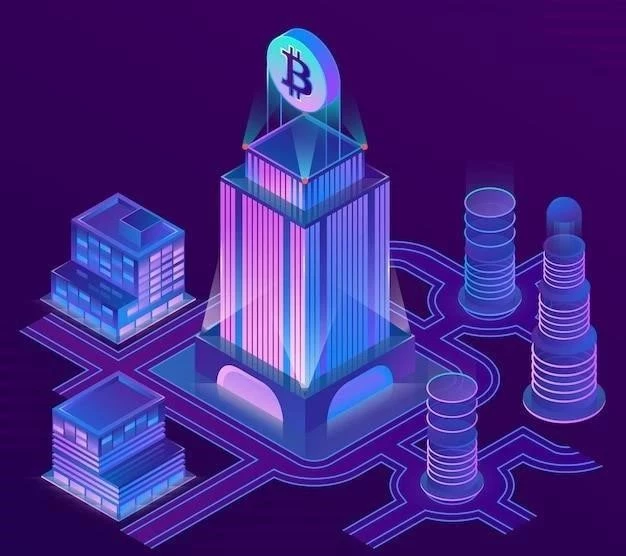
BNB, originally known as Binance Coin, stands as the native cryptocurrency that fuels the expansive Binance ecosystem, which includes one of the world’s largest and most active cryptocurrency exchanges. Launched in July 2017, just eleven days prior to the official launch of the Binance exchange, BNB was initially issued as an ERC-20 token on the robust Ethereum blockchain. Its fundamental purpose at inception was straightforward: to offer users tangible discounts on trading fees when paid on the rapidly growing Binance platform. Over the subsequent years, BNB has undergone a profound evolution, significantly transcending its initial utility to become the indispensable backbone of an increasingly sophisticated and decentralized blockchain ecosystem, now globally recognized as the BNB Chain.
From ERC-20 to a Dual-Chain Powerhouse
BNB’s transformative journey commenced on the Ethereum network, but with the rapid growth of Binance and the increasing demand for faster and more cost-effective transactions, the strategic need for its own dedicated blockchain became unequivocally apparent. Consequently, in April 2019, BNB successfully migrated from the Ethereum network to Binance’s own proprietary blockchain, the Binance Chain (which is now known as the BNB Beacon Chain), adopting the BEP-2 token standard. This pivotal move was instrumental for Binance to construct a more scalable and efficient infrastructure, meticulously tailored to its burgeoning operational requirements.
However, the most significant transformation arrived with the strategic introduction of the Binance Smart Chain (BSC) in September 2020. BSC, now rebranded as the BNB Smart Chain (BSC), operates seamlessly in parallel with the BNB Beacon Chain. While the Beacon Chain primarily focuses on critical functions like governance and staking mechanisms, BSC is a highly capable, EVM-compatible blockchain specifically engineered for advanced smart contract functionality and the deployment of decentralized applications (dApps). This innovative dual-chain architecture, collectively referred to as the BNB Chain, empowers BNB to fulfill a multitude of purposes, ranging from network governance to covering gas fees, across a remarkably diverse spectrum of applications and services.
Key Features and Diverse Use Cases of BNB
BNB’s utility extends far beyond its original function of mere trading fee reductions. Its multifaceted and ever-expanding role is absolutely central to the entire BNB Chain ecosystem:
- Trading Fee Discounts: The original and still highly valued use case; Users paying trading fees with BNB on Binance.com continue to receive attractive discounts, which follow a predetermined decreasing schedule.
- Gas Fees on BNB Chain: BNB is critically used to pay for all transaction fees (gas) on both the BNB Beacon Chain and the BNB Smart Chain. This makes it indispensable for interacting with dApps, sending various tokens, and executing complex smart contracts within the expansive ecosystem.
- Binance Launchpad Allocations: BNB holders frequently gain preferential access and allocation opportunities for token sales hosted on Binance Launchpad, a prominent platform for incubating and launching new crypto projects. This significantly incentivizes holding BNB.
- Staking and Governance: Users have the ability to stake their BNB on the BNB Beacon Chain, thereby contributing to securing the network and actively participating in its decentralized governance, earning valuable rewards in the process.
- Payments and Travel: BNB is increasingly gaining acceptance as a versatile payment method by a growing number of diverse merchants, popular travel booking websites, and various online services, thereby continually expanding its real-world utility.
- Decentralized Applications (dApps): Thousands of innovative dApps, spanning sectors like DeFi, NFTs, and GameFi, are robustly built on the BNB Smart Chain. BNB is crucial for their seamless operation, often utilized for in-app purchases, earning rewards, or as collateral.
- Liquidity Provision: In many decentralized exchanges (DEXs) like PancakeSwap on BSC, BNB is frequently paired with numerous other tokens to provide essential liquidity, allowing users to earn fees and participate in yield farming.
Tokenomics and the Unique Burning Mechanism
BNB has a predefined hard cap of 200 million tokens. A defining and unique feature of BNB’s tokenomics is its robust burning mechanism. Binance periodically conducts “BNB burns” with the explicit aim to permanently remove a significant portion of BNB from active circulation. These strategic burns are meticulously designed to reduce the total supply of BNB, consequently making it scarcer and, theoretically, more valuable over time. Initially, these burns were calculated based on Binance’s quarterly profits, but they have since evolved to incorporate an auto-burn mechanism that dynamically adjusts based on BNB’s market price and the cumulative number of blocks generated on the BNB Smart Chain.
Advantages and Challenges of BNB
Advantages:
- Robust Ecosystem: Strongly backed and continually developed by Binance, one of the most dominant forces in the crypto industry.
- High Utility: An extensive array of diverse use cases consistently drives demand and widespread adoption across various sectors.
- Scalability & Low Fees: The BNB Smart Chain consistently offers rapid transaction speeds and significantly lower fees compared to competing blockchains like Ethereum for many common applications.
- Innovation Hub: BNB Chain has emerged as a vibrant and fertile hub for a myriad of new DeFi, NFT, and GameFi projects, fostering continuous innovation.
Challenges:
- Centralization Concerns: Despite ongoing efforts towards greater decentralization, the close association with Binance still raises valid questions regarding potential centralization risks.
- Regulatory Scrutiny: As a major global player, Binance and BNB face substantial and evolving regulatory challenges across numerous international jurisdictions.
- Market Volatility: Like virtually all cryptocurrencies, BNB is inherently subject to high price volatility, posing risks for investors.
- Competition: BNB faces stiff and increasing competition from other established and emerging Layer 1 blockchains, including Ethereum, Solana, and Cardano.
Future Outlook for BNB
The future trajectory of BNB is inextricably linked to the continued growth and dynamic evolution of the BNB Chain and the broader Web3 landscape. Binance remains steadfastly committed to expanding the utility of BNB and enhancing the capabilities of its underlying blockchain, with a keen focus on emerging areas such as metaverses, GameFi, and decentralized storage solutions. As the global demand for scalable, efficient, and user-friendly blockchain solutions continues its upward trend, BNB aims to maintain its position at the forefront, powering the next generation of decentralized applications and fostering dynamic digital economies.
BNB has undergone a remarkable transformation from a straightforward utility token offering trading discounts into a foundational and indispensable asset for a vast and incredibly diverse blockchain ecosystem. Its strategic journey from an ERC-20 token to the very core of the BNB Chain eloquently highlights its remarkable adaptability and paramount strategic importance within the crypto sphere. With an ever-expanding array of practical use cases, a robust and deflationary burning mechanism, and continuous, forward-looking development, BNB remains a truly pivotal cryptocurrency, consistently driving innovation and widespread adoption within the rapidly evolving digital asset space.