
Understanding Crypto Coins
January 4, 2026
How to Choose the Best Crypto Exchange
January 5, 2026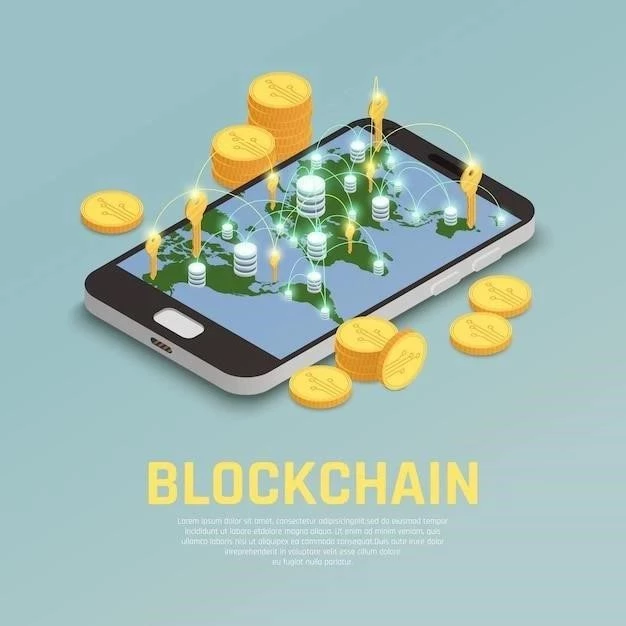
Crypto apps have revolutionized how individuals interact with the burgeoning world of digital assets․ From buying Bitcoin to trading Non-Fungible Tokens (NFTs), these mobile and desktop applications serve as essential interfaces, democratizing access to cryptocurrencies, decentralized finance (DeFi), and the broader Web3 ecosystem․ They transform complex blockchain technologies into user-friendly experiences, allowing millions to participate in the digital economy directly from their smartphones or computers․ This article explores the diverse landscape of crypto apps, their functionalities, benefits, risks, and what the future holds for this transformative technology․
What Are Crypto Apps?
At their core, crypto apps are software applications designed to facilitate various interactions within the cryptocurrency and blockchain space․ They act as bridges between users and the underlying decentralized networks, abstracting away much of the technical complexity․ Whether you’re a seasoned trader, an NFT collector, or a newcomer looking to invest, there’s likely an app tailored to your needs․ These applications are pivotal in mainstream adoption by making digital assets approachable and manageable for a global audience․ They encompass a wide spectrum of services, from simple wallet functions to complex trading platforms and Web3 browsers, all aimed at simplifying engagement with the decentralized web․
Types of Crypto Apps
The crypto app ecosystem is vast and varied, catering to different needs and user levels․ Understanding these categories is crucial for navigating the space effectively and choosing the right tools for your specific goals․
Centralized Exchange (CEX) Apps
These are perhaps the most common entry points for new users․ Apps like Coinbase, Binance, Kraken, and Crypto․com allow users to buy, sell, and trade a wide range of cryptocurrencies using traditional fiat currencies (e․g․, USD, EUR)․ They act as intermediaries, holding user funds in a custodial manner, similar to a traditional bank․ CEX apps offer high liquidity, advanced trading features, integrated educational resources, and often provide customer support․ While convenient, users must trust the exchange with their private keys, making them a centralized point of failure and susceptible to hacks or regulatory actions․
Decentralized Exchange (DEX) Apps
DEX apps, such as Uniswap, PancakeSwap, and SushiSwap, facilitate peer-to-peer cryptocurrency trading directly on the blockchain, without a central authority․ Users maintain full control over their private keys and funds throughout the process, connecting directly with their non-custodial wallets․ DEXs are known for offering a broader array of altcoins, often lower trading fees (though network gas fees can apply), and enhanced privacy․ However, they can be less user-friendly for beginners due to the technical requirements and lack of traditional customer service or fiat on-ramps․
Wallet Apps (Custodial vs․ Non-Custodial)
Wallet apps are fundamental for storing, sending, and managing cryptocurrencies and other digital assets․ They come in two primary forms:
- Custodial Wallets: Often integrated within CEX apps or provided by specific service providers, these wallets manage your private keys on your behalf․ While highly convenient and less prone to user error regarding key management, they mean you don’t have absolute control over your assets․ You implicitly trust the third party to secure your funds, making them vulnerable if the custodian is compromised or mismanaged․
- Non-Custodial Wallets: Apps like MetaMask, Trust Wallet, and Ledger Live (for hardware wallets) give users complete control over their private keys and seed phrases․ This offers maximum security and autonomy, embodying the crucial “not your keys, not your crypto” ethos․ However, it places the full responsibility of key management and security squarely on the user․ Losing your seed phrase or private keys means permanent and irreversible loss of access to your funds, with no recovery option․
DeFi Lending/Borrowing Apps
Platforms such as Aave, Compound, and MakerDAO enable users to lend out their crypto to earn interest or borrow crypto by providing collateral, all without traditional financial intermediaries․ These apps operate on smart contracts, automating the terms of agreements and ensuring transparency and immutability․ They are critical components of the decentralized finance movement, offering new avenues for passive income, collateralized loans, and liquidity provision, often at competitive rates compared to traditional finance․
NFT Marketplace Apps
Apps like OpenSea, Rarible, and Magic Eden are dedicated to the burgeoning market of Non-Fungible Tokens (NFTs)․ They provide intuitive interfaces for browsing, buying, selling, minting, and showcasing digital art, collectibles, gaming items, domain names, and other unique digital assets․ These apps facilitate transactions on various blockchains (e;g․, Ethereum, Solana, Polygon), making it easy to engage with the digital ownership revolution and explore the creative economy․
Blockchain Gaming (GameFi) Apps
These apps integrate blockchain technology into video games, creating “play-to-earn” (P2E) models and enhancing digital ownership․ Players can truly own in-game assets as NFTs, earn cryptocurrencies through gameplay, and participate in decentralized game economies and governance․ Examples include Axie Infinity, The Sandbox, and Decentraland․ GameFi apps merge entertainment with economic opportunities, representing a significant frontier for blockchain adoption and user interaction, fostering new forms of digital entrepreneurship․
Crypto News & Analytics Apps
Apps like CoinMarketCap, CoinGecko, and Blockfolio are essential tools for staying informed and making data-driven decisions․ They provide real-time market data, price charts, news feeds, portfolio tracking, and analytical tools to help users monitor trends, research projects, and make educated investment decisions․ These aggregators are vital for navigating the fast-paced and information-rich crypto landscape, offering a comprehensive overview of the market at a glance․
Key Features and Functionalities
Most crypto apps offer a comprehensive suite of features designed to enhance the user experience and expand utility beyond simple trading․
- Buying, Selling, and Trading: The fundamental capability, allowing users to exchange fiat for crypto, crypto for crypto (across various pairs), or crypto for fiat․ This often includes spot trading, margin trading, and derivatives․
- Staking and Earning Yield: Many apps enable users to “stake” their cryptocurrencies to support network operations (e․g․, Proof of Stake blockchains) and earn passive income․ Others facilitate participation in liquidity pools, lending protocols, or yield farming opportunities․
- NFT Management: Integrated tools for viewing, storing, sending, and often directly buying or selling NFTs within the app’s interface, sometimes including features for minting new NFTs․
- Portfolio Tracking: Sophisticated tools to monitor the real-time value of all holdings, track performance over time, analyze investment trends across different assets, and set price alerts․
- Security Features: Essential for protecting assets․ This includes Two-Factor Authentication (2FA), biometric login (fingerprint/face ID), secure PINs, withdrawal whitelists, and for non-custodial wallets, robust seed phrase management, backup, and recovery options․
- Payment & Spending: Some advanced apps offer crypto debit cards, direct payment integrations, or peer-to-peer crypto transfers, allowing users to spend their digital assets in real-world scenarios or send them instantly to others globally․
- Educational Resources: Many apps, especially CEXs, provide guides, tutorials, articles, and even structured courses to help new users understand cryptocurrencies, blockchain technology, and safe trading practices․
- DApp Browsers: Non-custodial wallet apps often include built-in browsers that allow users to directly interact with decentralized applications (dApps) across various blockchain networks․
Benefits of Using Crypto Apps
Crypto apps offer several compelling advantages that contribute to their growing popularity and profound impact on global finance and digital interaction․
- Accessibility & Convenience: They provide 24/7 access to global markets from virtually anywhere with an internet connection, democratizing financial services previously restricted by geography or traditional banking hours․
- Real-time Market Access: Users can react instantly to market movements, execute trades, and manage portfolios in real-time, which is crucial in the volatile crypto market, enabling agile investment strategies․
- Diversification: Crypto apps open doors to a new, rapidly evolving asset class, allowing investors to diversify their portfolios beyond traditional stocks, bonds, and real estate, potentially enhancing returns․
- Financial Inclusion: For the unbanked or underbanked populations worldwide, crypto apps can provide access to essential financial services like payments, savings, lending, and investment opportunities that were previously inaccessible through traditional channels․
- Transparency: Blockchain’s inherent transparency, facilitated by these apps, allows users to verify transactions and network activity directly on public ledgers, fostering trust and accountability․
- Lower Fees (in some cases): Compared to traditional banking or international remittance services, certain crypto transactions, especially peer-to-peer, can incur significantly lower fees and faster settlement times․
- Innovation and Growth: Users can participate directly in cutting-edge technological advancements in DeFi, NFTs, and Web3, engaging with emergent digital economies and communities․
Risks and Considerations
Despite their numerous benefits, interacting with crypto apps and digital assets comes with significant risks that users must be aware of and actively manage․
- Volatility: Cryptocurrencies are notoriously volatile․ Prices can fluctuate wildly and unpredictably, leading to substantial gains or catastrophic losses in very short periods․ This requires a high risk tolerance and careful risk management․
- Security Vulnerabilities: Crypto apps can be targets for hacks, phishing attacks, malware, and sophisticated scams․ Users are responsible for securing their accounts and private keys, especially with non-custodial options․ Loss of keys or exposure to scams can result in irreversible asset loss․
- Regulatory Uncertainty: The regulatory landscape for cryptocurrencies is still evolving and varies greatly by jurisdiction․ Changes in laws can impact the availability and legality of certain services or assets, potentially affecting asset value or access to funds․
- User Error: Mistakes like sending funds to the wrong blockchain address, losing seed phrases, falling for sophisticated social engineering scams, or mismanaging private keys can result in permanent and irreversible loss of assets, as most blockchain transactions are immutable․
- Centralization Risks (for CEXs): Centralized exchanges hold user funds, making them single points of failure․ They are subject to potential government seizures, internal mismanagement, technical glitches, or even insolvency, putting user assets at risk if not properly diversified or withdrawn․
- Lack of Reversibility: Most blockchain transactions are irreversible․ Once a transaction is confirmed on the network, it cannot be undone, unlike traditional bank transfers which sometimes allow chargebacks or reversals․
- Technical Complexity: While apps simplify interaction, understanding the underlying blockchain concepts, network fees, and smart contract risks can still be challenging for novice users, leading to potential missteps․
Choosing the Right Crypto App
Selecting an appropriate crypto app requires careful consideration of several factors to ensure security, functionality, and a positive user experience tailored to your specific needs․
- Security Record: Prioritize apps with a strong track record of security, robust encryption protocols, multi-factor authentication (MFA), and clear policies regarding asset protection․ Research past security incidents and how they were handled․
- Supported Assets: Ensure the app supports the specific cryptocurrencies, tokens, or NFTs you intend to buy, sell, trade, or hold․ A wider selection can offer more flexibility, but focus on quality and security over sheer quantity․
- Fees: Compare trading fees, withdrawal fees, deposit fees, and network (gas) fees across different platforms․ These can vary significantly and impact your overall profitability, especially for frequent traders․
- User Interface (UI) & User Experience (UX): A well-designed, intuitive, and easy-to-navigate interface is crucial, especially for beginners․ A complex or confusing UI can lead to errors and frustration․
- Customer Support: Reliable, responsive, and knowledgeable customer support is paramount when dealing with financial assets․ Check for availability (e․g․, 24/7), communication channels (chat, email, phone), and typical response times․
- Regulatory Compliance: Verify if the app complies with local financial regulations in your jurisdiction, especially for fiat on/off-ramps․ Regulatory adherence often indicates a more trustworthy and stable platform, reducing legal risks․
- Features & Functionality: Consider what additional features you need, such as staking, borrowing, advanced trading tools, charting capabilities, direct integration with DeFi protocols, or dApp browsing capabilities․
- Reputation & Reviews: Read independent reviews from trusted sources, check community feedback on forums and social media, and assess the overall reputation of the app and its parent company for reliability and trustworthiness;
The Future of Crypto Apps
The evolution of crypto apps is inextricably intertwined with the broader development of Web3 and blockchain technology․ We can anticipate several key trends shaping their future:
- Seamless Integration with Web3: Deeper and more intuitive connections to decentralized applications (dApps), metaverses, and blockchain games, blurring the lines between different platforms and services․ Users will experience a unified digital identity and asset management across various Web3 experiences․
- Enhanced User Experience (UX): Significant improvements in UI/UX will make crypto apps even more intuitive, accessible, and friendly to a mainstream audience, abstracting away much of the underlying blockchain complexity․ Onboarding processes will become simpler and more guided․
- Broader Adoption: As regulatory clarity emerges globally and technology matures, crypto apps are expected to see widespread adoption, potentially becoming as common and essential as traditional banking or social media apps in daily life․
- Increased Interoperability: Greater ability for assets, data, and identities to move seamlessly across different blockchains and ecosystems, reducing fragmentation and enhancing utility and liquidity for users․
- Regulatory Clarity and Innovation: As governments worldwide develop clearer and more harmonized regulatory frameworks, it will foster responsible innovation, provide greater protection for users, and attract more institutional participation and capital․
- Self-Custody Innovation: Development of easier, more secure, and user-friendly ways for individuals to manage their own private keys (e․g․, multi-party computation wallets, smart contract wallets with social recovery), reducing reliance on centralized entities while maintaining high usability․
- Hyper-Personalization: Apps leveraging Artificial Intelligence (AI) and machine learning to offer personalized financial advice, automated investment strategies, tailored market insights, and customized risk management based on individual user behavior and risk profiles․
- Sustainable Practices: Growing focus on integrating environmentally friendly blockchain solutions and offering tools that help users support sustainable crypto projects and practices․
Crypto apps are not just tools; they are indispensable gateways navigating the complex and dynamic digital asset economy․ They empower individuals with unprecedented control over their finances, open new investment avenues, and foster participation in groundbreaking technologies like DeFi, NFTs, and Web3․ While the landscape is fraught with inherent risks such as volatility, security challenges, and regulatory uncertainty, continuous innovation in security protocols, user experience design, and the gradual emergence of clearer regulatory frameworks are steadily paving the way for a future where these apps are central to global finance and digital interaction․ For anyone looking to explore the immense potential of cryptocurrencies and blockchain, selecting the right app is the crucial first step into a decentralized and digitally empowered future․ Embrace the journey with knowledge and caution․