

The Crypto Greed Index
April 10, 2026
Crypto Login The Future of Digital Identity
April 11, 2026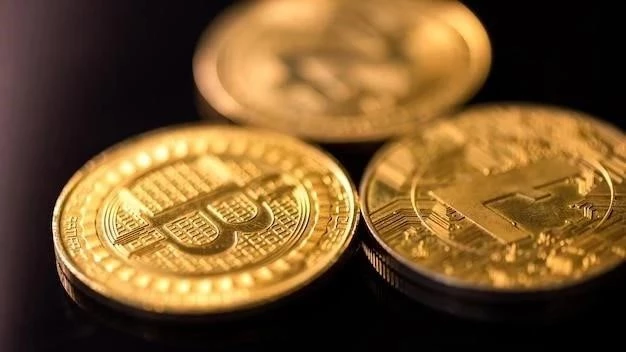
In an era defined by rapid technological advancement and an increasing desire for financial autonomy‚ the world of traditional assets is colliding with the innovative realm of digital currencies․ This fascinating convergence gives rise to the “crypto gold exchange” – a powerful fusion seeking to combine the age-old stability of gold with the modern efficiency and accessibility of cryptocurrencies․ This detailed exploration delves into what crypto gold exchange entails‚ its underlying mechanisms‚ the compelling advantages it offers‚ the inherent challenges it faces‚ and its promising future trajectory․
Why Blend Gold with Crypto? A Modern Financial Alchemy
The motivation behind merging gold and cryptocurrencies stems from a desire to harness the best attributes of both worlds․ Gold has‚ for millennia‚ been revered as a reliable store of value‚ a hedge against inflation‚ and a safe haven asset during economic uncertainty․ Its tangible nature and intrinsic value have cemented its status in investment portfolios globally․
Cryptocurrencies‚ on the other hand‚ represent a paradigm shift in finance․ Built on decentralized blockchain technology‚ they offer unparalleled liquidity‚ global accessibility‚ transparency‚ and often lower transaction costs compared to traditional financial systems․ Their digital nature allows for fractional ownership and instant transfer across borders․
The marriage of these two seemingly disparate assets aims to create a hybrid instrument that offers:
- Stability and Growth Potential: Leveraging gold’s stability while participating in the growth and innovation of the crypto space․
- Inflation Hedge: Providing a robust defense against currency devaluation through a non-fiat-backed asset;
- Diversification: Offering investors a unique asset class that can act as a counterbalance to traditional portfolios․
- Accessibility: Opening up gold investment to a broader global audience‚ regardless of their geographical location or financial status․
Mechanisms of Exchange: How Crypto Meets Gold
The crypto gold exchange isn’t a singular concept but rather encompasses several distinct models‚ each with its own operational nuances and target audiences․
Gold-Backed Cryptocurrencies (Tokenized Gold)
Perhaps the most prevalent form of crypto gold exchange involves gold-backed cryptocurrencies‚ often referred to as “tokenized gold” or “gold stablecoins․” These are digital tokens issued on a blockchain‚ where each token represents a specific‚ verifiable amount of physical gold held in secure vaults by a custodian․ Examples include PAX Gold (PAXG)‚ Tether Gold (XAUT)‚ and Kinesis KAU․
- Fractional Ownership: These tokens allow investors to own a fraction of a gold bar‚ making gold investment accessible even with small capital․
- Enhanced Liquidity: Unlike physical gold‚ which can be cumbersome to buy and sell‚ gold-backed tokens can be traded on cryptocurrency exchanges 24/7‚ offering superior liquidity․
- Ease of Transfer: Tokens can be transferred globally with the speed and efficiency of blockchain transactions‚ bypassing traditional banking hours and fees․
- Transparency: Issuers often provide regular audits and proof of reserves‚ allowing token holders to verify that their tokens are indeed backed by physical gold․
- Redemption Options: Many gold-backed token providers offer the option to redeem tokens for the equivalent amount of physical gold‚ subject to certain conditions and minimums․
Direct Crypto-to-Physical Gold Purchases
Another model facilitates the direct purchase of physical gold (bullion‚ bars‚ coins) using cryptocurrencies․ Various online platforms and dealers have emerged that accept Bitcoin‚ Ethereum‚ and other major cryptocurrencies as payment for physical gold products․ These platforms typically handle the logistics of secure storage‚ insured shipping‚ or even allow for direct pick-up at secure facilities․
- Tangible Asset Ownership: Investors directly own physical gold‚ providing a sense of security and control that some prefer over tokenized versions․
- Privacy: Depending on the platform and jurisdiction‚ some crypto-to-physical gold purchases can offer a higher degree of privacy compared to traditional banking channels․
- Diverse Product Range: These platforms often offer a wide array of gold products‚ from small coins to large investment bars‚ catering to different investor preferences;
Hybrid Models and DeFi Integration
The innovation doesn’t stop there․ Hybrid models are also emerging‚ integrating tokenized gold into the broader Decentralized Finance (DeFi) ecosystem․ This allows users to:
- Lend and Borrow: Use gold-backed tokens as collateral for crypto loans or lend them out to earn interest․
- Yield Farming: Participate in liquidity pools that include gold-backed tokens‚ earning rewards for providing liquidity․
- Synthetic Assets: Create synthetic assets that track the price of gold without directly holding the underlying asset or its tokenized representation‚ often through derivatives․
Advantages of Crypto Gold Exchanges
The convergence of crypto and gold brings forth a compelling suite of benefits for investors and the broader financial landscape:
- Accessibility and Inclusivity: Traditionally‚ investing in gold could be complex and expensive․ Crypto gold exchanges lower the barrier to entry‚ allowing anyone with an internet connection and cryptocurrency to invest in gold‚ regardless of their location or net worth․
- Liquidity and Tradability: Tokenized gold can be bought and sold instantly on global crypto exchanges‚ offering far greater liquidity than physical gold‚ which can involve delays and transaction costs related to assaying‚ transport‚ and storage․
- Inflation Hedge and Portfolio Diversification: Gold’s historical role as an inflation hedge combined with crypto’s potential for growth provides a powerful tool for portfolio diversification‚ protecting wealth against economic uncertainties and market volatility․
- Enhanced Security: Blockchain technology inherently offers cryptographic security‚ immutability‚ and transparency․ When combined with secure‚ audited physical gold reserves‚ this creates a robust and verifiable asset․
- Lower Transaction Costs: Cryptocurrency transactions can often be cheaper and faster than traditional wire transfers or fees associated with physical gold brokerage and storage;
- Transparency: For gold-backed tokens‚ the underlying gold reserves are often subject to regular‚ independent audits‚ with proof of reserves publicly available on the blockchain‚ fostering trust and transparency․
- Fractional Ownership: Enables investors to own small fractions of gold‚ making it more affordable and flexible than purchasing entire gold bars or coins․
Navigating the Challenges
Despite their significant potential‚ crypto gold exchanges are not without their hurdles and complexities:
- Regulatory Uncertainty: The regulatory landscape for cryptocurrencies and tokenized assets is still evolving globally․ Different jurisdictions have varying rules‚ which can create compliance challenges and uncertainty for platforms and investors alike․
- Volatility of Cryptocurrencies: While gold itself is relatively stable‚ the cryptocurrencies used to facilitate transactions (e․g․‚ Bitcoin‚ Ethereum) are known for their price volatility․ This can introduce risk when converting between crypto and gold․
- Trust and Auditing of Reserves: For gold-backed tokens‚ the integrity of the system heavily relies on the issuer’s ability to maintain 1:1 gold reserves and provide verifiable proof of those reserves through independent audits․ A lack of transparency or trust in custodians can undermine the value of the tokens․
- Custody and Security of Physical Gold: Storing large quantities of physical gold securely requires specialized vaults‚ insurance‚ and robust security protocols․ Ensuring the safety and integrity of these physical assets is paramount․
- Technical Barriers: For newcomers‚ understanding cryptocurrencies‚ blockchain wallets‚ and decentralized exchanges can present a steep learning curve․
- Counterparty Risk: Whether dealing with token issuers‚ crypto exchanges‚ or physical gold dealers‚ there is always an element of counterparty risk involved․
- Scalability and Transaction Fees: Some blockchains can suffer from scalability issues and high transaction fees (gas fees) during periods of network congestion‚ which can impact the cost and speed of exchanging gold-backed tokens․
The Future of Crypto Gold Exchange
The trajectory for crypto gold exchanges points towards increasing integration and sophistication․ As the digital asset space matures and regulatory frameworks become clearer‚ we can anticipate several key developments:
- Increased Institutional Adoption: Major financial institutions‚ sensing the growing demand and potential for efficiency‚ are likely to explore and offer more sophisticated crypto gold products and services․
- Enhanced Regulatory Clarity: As governments and financial bodies develop clearer guidelines for digital assets‚ it will foster greater trust and facilitate broader adoption of tokenized gold․
- Innovation in DeFi: The integration of gold-backed tokens into the DeFi ecosystem will continue to expand‚ leading to new financial products‚ lending protocols‚ and investment strategies that leverage the stability of gold with the flexibility of decentralized finance․
- Broader Accessibility: User interfaces will become more intuitive‚ and the overall process of acquiring‚ holding‚ and exchanging tokenized gold or physical gold with crypto will become even simpler‚ attracting a wider demographic of investors․
- Global Standardisation: Efforts towards standardizing gold-backed token specifications and audit requirements could emerge‚ further enhancing trust and interoperability across different platforms․
The crypto gold exchange represents a significant evolutionary step in the financial world․ It seeks to bridge the gap between two powerful yet distinct asset classes‚ offering a compelling blend of security‚ accessibility‚ and innovation․ While challenges related to regulation‚ trust‚ and technical complexity persist‚ the underlying value proposition – combining gold’s enduring stability with crypto’s revolutionary efficiency – is too strong to ignore․
As technology advances and investor understanding deepens‚ crypto gold exchanges are poised to become an increasingly integral part of diversified investment portfolios‚ democratizing access to gold and reshaping how we perceive and interact with precious metals in the digital age․ This golden bridge is not just connecting the past with the future; it is actively forging a new‚ more inclusive‚ and resilient financial paradigm for global investors․
In an era defined by rapid technological advancement and an increasing desire for financial autonomy‚ the world of traditional assets is colliding with the innovative realm of digital currencies․ This fascinating convergence gives rise to the “crypto gold exchange” – a powerful fusion seeking to combine the age-old stability of gold with the modern efficiency and accessibility of cryptocurrencies․ This detailed exploration delves into what crypto gold exchange entails‚ its underlying mechanisms‚ the compelling advantages it offers‚ the inherent challenges it faces‚ and its promising future trajectory․
The motivation behind merging gold and cryptocurrencies stems from a desire to harness the best attributes of both worlds․ Gold has‚ for millennia‚ been revered as a reliable store of value‚ a hedge against inflation‚ and a safe haven asset during economic uncertainty․ Its tangible nature and intrinsic value have cemented its status in investment portfolios globally․
Cryptocurrencies‚ on the other hand‚ represent a paradigm shift in finance․ Built on decentralized blockchain technology‚ they offer unparalleled liquidity‚ global accessibility‚ transparency‚ and often lower transaction costs compared to traditional financial systems․ Their digital nature allows for fractional ownership and instant transfer across borders․
The marriage of these two seemingly disparate assets aims to create a hybrid instrument that offers:
- Stability and Growth Potential: Leveraging gold’s stability while participating in the growth and innovation of the crypto space․
- Inflation Hedge: Providing a robust defense against currency devaluation through a non-fiat-backed asset․
- Diversification: Offering investors a unique asset class that can act as a counterbalance to traditional portfolios․
- Accessibility: Opening up gold investment to a broader global audience‚ regardless of their geographical location or financial status․
The crypto gold exchange isn’t a singular concept but rather encompasses several distinct models‚ each with its own operational nuances and target audiences․
Perhaps the most prevalent form of crypto gold exchange involves gold-backed cryptocurrencies‚ often referred to as “tokenized gold” or “gold stablecoins․” These are digital tokens issued on a blockchain‚ where each token represents a specific‚ verifiable amount of physical gold held in secure vaults by a custodian․ Examples include PAX Gold (PAXG)‚ Tether Gold (XAUT)‚ and Kinesis KAU․
- Fractional Ownership: These tokens allow investors to own a fraction of a gold bar‚ making gold investment accessible even with small capital․
- Enhanced Liquidity: Unlike physical gold‚ which can be cumbersome to buy and sell‚ gold-backed tokens can be traded on cryptocurrency exchanges 24/7‚ offering superior liquidity․
- Ease of Transfer: Tokens can be transferred globally with the speed and efficiency of blockchain transactions‚ bypassing traditional banking hours and fees․
- Transparency: Issuers often provide regular audits and proof of reserves‚ allowing token holders to verify that their tokens are indeed backed by physical gold․
- Redemption Options: Many gold-backed token providers offer the option to redeem tokens for the equivalent amount of physical gold‚ subject to certain conditions and minimums․
Another model facilitates the direct purchase of physical gold (bullion‚ bars‚ coins) using cryptocurrencies․ Various online platforms and dealers have emerged that accept Bitcoin‚ Ethereum‚ and other major cryptocurrencies as payment for physical gold products․ These platforms typically handle the logistics of secure storage‚ insured shipping‚ or even allow for direct pick-up at secure facilities․
- Tangible Asset Ownership: Investors directly own physical gold‚ providing a sense of security and control that some prefer over tokenized versions․
- Privacy: Depending on the platform and jurisdiction‚ some crypto-to-physical gold purchases can offer a higher degree of privacy compared to traditional banking channels․
- Diverse Product Range: These platforms often offer a wide array of gold products‚ from small coins to large investment bars‚ catering to different investor preferences․
The innovation doesn’t stop there․ Hybrid models are also emerging‚ integrating tokenized gold into the broader Decentralized Finance (DeFi) ecosystem․ This allows users to:
- Lend and Borrow: Use gold-backed tokens as collateral for crypto loans or lend them out to earn interest․
- Yield Farming: Participate in liquidity pools that include gold-backed tokens‚ earning rewards for providing liquidity․
- Synthetic Assets: Create synthetic assets that track the price of gold without directly holding the underlying asset or its tokenized representation‚ often through derivatives․
The convergence of crypto and gold brings forth a compelling suite of benefits for investors and the broader financial landscape:
- Accessibility and Inclusivity: Traditionally‚ investing in gold could be complex and expensive․ Crypto gold exchanges lower the barrier to entry‚ allowing anyone with an internet connection and cryptocurrency to invest in gold‚ regardless of their location or net worth․
- Liquidity and Tradability: Tokenized gold can be bought and sold instantly on global crypto exchanges‚ offering far greater liquidity than physical gold‚ which can involve delays and transaction costs related to assaying‚ transport‚ and storage․
- Inflation Hedge and Portfolio Diversification: Gold’s historical role as an inflation hedge combined with crypto’s potential for growth provides a powerful tool for portfolio diversification‚ protecting wealth against economic uncertainties and market volatility․
- Enhanced Security: Blockchain technology inherently offers cryptographic security‚ immutability‚ and transparency․ When combined with secure‚ audited physical gold reserves‚ this creates a robust and verifiable asset․
- Lower Transaction Costs: Cryptocurrency transactions can often be cheaper and faster than traditional wire transfers or fees associated with physical gold brokerage and storage․
- Transparency: For gold-backed tokens‚ the underlying gold reserves are often subject to regular‚ independent audits‚ with proof of reserves publicly available on the blockchain‚ fostering trust and transparency․
- Fractional Ownership: Enables investors to own small fractions of gold‚ making it more affordable and flexible than purchasing entire gold bars or coins․
Despite their significant potential‚ crypto gold exchanges are not without their hurdles and complexities:
- Regulatory Uncertainty: The regulatory landscape for cryptocurrencies and tokenized assets is still evolving globally․ Different jurisdictions have varying rules‚ which can create compliance challenges and uncertainty for platforms and investors alike․
- Volatility of Cryptocurrencies: While gold itself is relatively stable‚ the cryptocurrencies used to facilitate transactions (e․g․‚ Bitcoin‚ Ethereum) are known for their price volatility․ This can introduce risk when converting between crypto and gold․
- Trust and Auditing of Reserves: For gold-backed tokens‚ the integrity of the system heavily relies on the issuer’s ability to maintain 1:1 gold reserves and provide verifiable proof of those reserves through independent audits․ A lack of transparency or trust in custodians can undermine the value of the tokens․
- Custody and Security of Physical Gold: Storing large quantities of physical gold securely requires specialized vaults‚ insurance‚ and robust security protocols․ Ensuring the safety and integrity of these physical assets is paramount․
- Technical Barriers: For newcomers‚ understanding cryptocurrencies‚ blockchain wallets‚ and decentralized exchanges can present a steep learning curve․
- Counterparty Risk: Whether dealing with token issuers‚ crypto exchanges‚ or physical gold dealers‚ there is always an element of counterparty risk involved․
- Scalability and Transaction Fees: Some blockchains can suffer from scalability issues and high transaction fees (gas fees) during periods of network congestion‚ which can impact the cost and speed of exchanging gold-backed tokens․
The trajectory for crypto gold exchanges points towards increasing integration and sophistication․ As the digital asset space matures and regulatory frameworks become clearer‚ we can anticipate several key developments:
- Increased Institutional Adoption: Major financial institutions‚ sensing the growing demand and potential for efficiency‚ are likely to explore and offer more sophisticated crypto gold products and services․
- Enhanced Regulatory Clarity: As governments and financial bodies develop clearer guidelines for digital assets‚ it will foster greater trust and facilitate broader adoption of tokenized gold․
- Innovation in DeFi: The integration of gold-backed tokens into the DeFi ecosystem will continue to expand‚ leading to new financial products‚ lending protocols‚ and investment strategies that leverage the stability of gold with the flexibility of decentralized finance․
- Broader Accessibility: User interfaces will become more intuitive‚ and the overall process of acquiring‚ holding‚ and exchanging tokenized gold or physical gold with crypto will become even simpler‚ attracting a wider demographic of investors․
- Global Standardisation: Efforts towards standardizing gold-backed token specifications and audit requirements could emerge‚ further enhancing trust and interoperability across different platforms․
The crypto gold exchange represents a significant evolutionary step in the financial world․ It seeks to bridge the gap between two powerful yet distinct asset classes‚ offering a compelling blend of security‚ accessibility‚ and innovation․ While challenges related to regulation‚ trust‚ and technical complexity persist‚ the underlying value proposition – combining gold’s enduring stability with crypto’s revolutionary efficiency – is too strong to ignore․
As technology advances and investor understanding deepens‚ crypto gold exchanges are poised to become an increasingly integral part of diversified investment portfolios‚ democratizing access to gold and reshaping how we perceive and interact with precious metals in the digital age․ This golden bridge is not just connecting the past with the future; it is actively forging a new‚ more inclusive‚ and resilient financial paradigm for global investors․