

The Griffain Crypto Concept
June 13, 2026
Ondo Finance ONDO Price Prediction and Market Analysis
June 14, 2026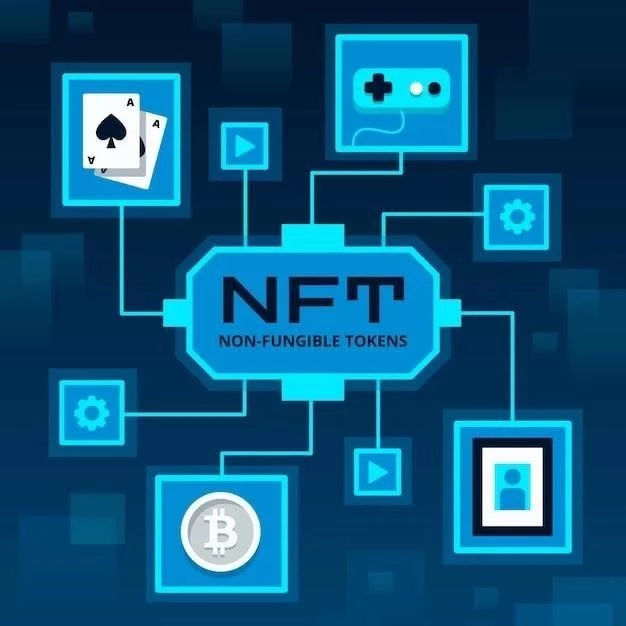
The advent of Non-Fungible Tokens (NFTs) marks a pivotal moment in the digital age‚ profoundly impacting how we conceive of ownership‚ authenticity‚ and value in online spaces. These unique digital assets‚ intrinsically linked to the broader cryptocurrency ecosystem‚ have captivated global attention‚ spurring both immense innovation and spirited debate. Far from being a fleeting trend‚ NFTs represent a fundamental shift‚ leveraging blockchain technology to imbue digital items with verifiable scarcity and indisputable provenance. This detailed article aims to meticulously explore the intricate mechanics‚ diverse applications‚ inherent challenges‚ and the compelling future trajectory of NFT crypto‚ providing a holistic understanding of this groundbreaking phenomenon.
Understanding Non-Fungible Tokens (NFTs): Defining Digital Uniqueness
At its core‚ an NFT is a distinctive digital identifier securely recorded on a blockchain. The term “non-fungible” is paramount to understanding their nature. Unlike cryptocurrencies such as Bitcoin or Ethereum‚ which are “fungible” – meaning each unit is identical and perfectly interchangeable with another (e.g.‚ one Bitcoin holds the same value and properties as any other Bitcoin) – an NFT is unique. It possesses singular characteristics‚ making it irreplaceable by any other token. Imagine a one-of-a-kind painting versus a mass-produced print; the painting is non-fungible‚ while the prints are fungible. This inherent uniqueness is precisely what empowers NFTs to effectively represent specific‚ individual assets‚ whether they exist purely in the digital realm or serve as a tokenized representation of physical items‚ thereby establishing undeniable proof of singular ownership and authenticity.
The Foundational Role of Blockchain Technology
The bedrock upon which NFTs operate is blockchain technology. A blockchain functions as a decentralized‚ distributed public ledger‚ meticulously recording every transaction across a vast network of interconnected computers. This architecture ensures unparalleled transparency‚ security‚ and immutability. When an NFT is “minted” – the process of creating a new token on the blockchain – its unique metadata‚ including its creator’s identity‚ a secure link to the digital asset it represents‚ and a precise timestamp‚ is permanently etched onto the blockchain. While Ethereum has historically been the dominant blockchain for NFTs due to its robust smart contract capabilities and expansive ecosystem‚ a growing number of other blockchains now support NFTs‚ including Solana‚ Polygon‚ Cardano‚ Flow‚ and Tezos. Each offers distinct advantages in terms of transaction speed‚ cost-efficiency‚ and developer community size‚ contributing to a diverse and evolving NFT landscape.
Core Characteristics Distinguishing NFTs
The defining attributes of NFTs are crucial for grasping their revolutionary potential:
- Uniqueness: Each NFT is fundamentally distinct. It carries specific identifying information and metadata encoded within its underlying smart contract‚ making no two NFTs identical‚ even if they appear visually similar or belong to the same collection.
- Verifiable Ownership and Provenance: The ownership of an NFT is unequivocally verifiable through the transparent and immutable record on the blockchain. This public ledger provides an undeniable chain of custody‚ establishing authentic ownership and a complete transaction history from creation to current holder‚ significantly reducing fraud.
- Immutability: Once an NFT’s data is recorded on the blockchain‚ it cannot be altered‚ deleted‚ or counterfeited. This permanence ensures the integrity and longevity of the digital asset’s record.
- Scarcity: Creators wield the power to define the exact total supply of an NFT. This can range from truly “one-of-one” unique editions to limited series with a predetermined cap‚ directly influencing the asset’s perceived value and collectibility.
- Indivisibility: Unlike fungible cryptocurrencies which can be broken down into smaller units (e.g.‚ satoshis for Bitcoin)‚ most NFTs are indivisible. They must be bought‚ sold‚ or transferred as a whole unit‚ though fractional ownership through separate tokens is an emerging concept.
- Interoperability: NFTs built on open standards (like ERC-721 or ERC-1155 on Ethereum) can be viewed and traded across various compatible marketplaces and platforms‚ enhancing their liquidity and reach.
The Operational Mechanics of NFTs: From Minting to Marketplaces
The journey of an NFT typically commences with the process known as minting. Minting is essentially the act of publishing a unique instance of a digital item onto a blockchain‚ thereby transforming it into a crypto asset. This intricate process involves executing a smart contract – a self-executing agreement with the terms directly programmed into code. This smart contract defines the NFT’s specific properties‚ establishes a secure link to its associated digital media (which is often stored off-chain using decentralized solutions like IPFS for efficiency)‚ and irrevocably assigns initial ownership to the creator or first buyer. Smart contracts are pivotal; they automate the execution of agreements without the need for intermediaries‚ ensuring transparency and trust.
Subsequent to minting‚ NFTs enter the vibrant ecosystem of specialized marketplaces. These platforms function as digital galleries‚ auction houses‚ and trading floors specifically designed for NFTs. Prominent examples include OpenSea‚ Rarible‚ SuperRare‚ Foundation‚ and Magic Eden. Users interact with these marketplaces by connecting their compatible cryptocurrency wallets‚ such as MetaMask‚ Phantom‚ or Coinbase Wallet. This secure connection allows them to browse extensive collections‚ place bids‚ make direct purchases‚ and manage their own NFT portfolios. Transactions on these platforms are predominantly conducted using cryptocurrencies‚ with Ethereum (ETH) being the most common‚ followed by others like Solana (SOL) for NFTs on the Solana blockchain.
Diverse Applications and Transformative Use Cases of NFTs
The utility of NFTs extends far beyond speculative digital art‚ permeating numerous sectors and catalyzing novel economic paradigms.
Digital Art and Collectibles: Reshaping the Creative Economy
This category remains the most recognizable application. NFTs provide artists with unprecedented avenues to directly monetize their digital creations‚ establish verifiable authenticity for their work‚ and‚ crucially‚ earn programmed royalties on all subsequent secondary market sales. Landmark collections such as CryptoPunks‚ the Bored Ape Yacht Club (BAYC)‚ and Art Blocks have not only achieved iconic status but have also fundamentally redefined concepts of digital ownership‚ community membership‚ and social signaling within the web3 space. They offer a direct connection between creators and collectors‚ fostering a more equitable creative economy.
Gaming and the Metaverse: True Ownership and Play-to-Earn
NFTs are revolutionizing the gaming industry by granting players true‚ verifiable ownership of their in-game assets‚ including unique characters‚ coveted skins‚ powerful weapons‚ and virtual wearables. The “play-to-earn” (P2E) model‚ exemplified by games like Axie Infinity and The Sandbox‚ empowers players to earn valuable cryptocurrencies and NFTs through active gameplay‚ which can then be freely traded or sold for real-world economic benefit. Within the burgeoning metaverse‚ NFTs are slated to be foundational‚ representing everything from parcels of virtual land and customizable avatars to digital fashion accessories and interactive experiences‚ enabling robust‚ player-driven digital economies.
Music and Entertainment: Direct Artist-Fan Engagement
Musicians are leveraging NFTs to tokenize their songs‚ albums‚ exclusive tracks‚ or even fractional royalty rights‚ thereby forging deeper‚ more direct connections with their fanbase. NFTs can grant holders exclusive access to unreleased content‚ backstage passes (virtual or physical)‚ voting rights on creative decisions‚ and novel ways to financially support artists without traditional intermediaries. Furthermore‚ NFTs are emerging as verifiable‚ tamper-proof tickets for both virtual and real-world events‚ offering unique perks and streamlining entry processes.
Real Estate and Tokenized Physical Assets: Democratizing Investment
While still in its nascent stages‚ the application of NFTs to real estate holds immense promise. NFTs can represent fractional ownership of physical properties‚ making high-value assets more accessible to a wider range of investors and potentially simplifying complex‚ bureaucratic property transfer processes. Beyond real estate‚ NFTs can tokenize other tangible assets like luxury goods‚ fine wines‚ or precious metals‚ offering verifiable proof of ownership and authenticity on the blockchain.
Identity‚ Certificates‚ and Credentials: Digital Trust
NFTs possess the potential to serve as verifiable‚ tamper-proof digital identities‚ academic degrees‚ professional certifications‚ medical records‚ or digital passports. This application could significantly enhance trust and efficiency in credential verification‚ eliminating the need for centralized authorities and reducing the risk of fraud.
Supply Chain Management and Logistics: Enhanced Transparency
Integrating NFTs into supply chain management can provide unprecedented transparency and traceability for goods. By tokenizing products at various stages‚ businesses can track their journey from origin to consumer‚ verify authenticity‚ combat counterfeiting‚ and ensure ethical sourcing‚ all recorded immutably on the blockchain.
The Indispensable Role of Cryptocurrency in the NFT Ecosystem
Cryptocurrencies are not merely complementary but are the fundamental lifeblood that fuels and sustains the entire NFT ecosystem. Their functions are multifaceted and critical:
- Primary Medium of Exchange: The vast majority of NFTs are acquired and transacted using cryptocurrencies. Ethereum (ETH) is the most prevalent currency for NFT purchases on its native blockchain and layer-2 solutions‚ but other cryptocurrencies like Solana (SOL)‚ Cardano (ADA)‚ and even stablecoins such as USDC are increasingly used on their respective chains.
- Gas Fees: Every interaction with a blockchain – whether it’s minting a new NFT‚ transferring ownership‚ listing an NFT for sale‚ or executing a purchase – incurs a “gas fee.” This fee is essentially a transaction cost paid to the network validators (or miners‚ in Proof-of-Work systems) for processing and securing the transaction. Gas fees are paid in the native cryptocurrency of the blockchain (e.g.‚ ETH for Ethereum transactions). Fluctuations in network congestion can lead to significant variations in these fees.
- Valuation and Investment Correlation: The market value of NFTs is almost universally denominated in cryptocurrency. This direct linkage means that the performance and stability of the broader crypto market can significantly influence the perceived value and liquidity of NFT assets‚ creating a symbiotic relationship.
- Staking and Yield Generation: A growing number of NFT projects are integrating DeFi (Decentralized Finance) elements. This allows holders to “stake” their NFTs – locking them up in a smart contract – to earn passive cryptocurrency rewards (yield) or gain access to exclusive features‚ governance rights‚ or further NFT drops.
- Liquidity Pools and Lending: Emerging platforms allow for the use of NFTs as collateral for cryptocurrency loans or enable the creation of liquidity pools for NFT trading‚ further intertwining the two asset classes.
Profound Benefits and Advantages Propelled by NFTs
NFTs offer a compelling array of benefits that are reshaping digital interactions and economies:
- Empowering the Creator Economy: NFTs liberate artists‚ musicians‚ writers‚ and content creators from reliance on traditional intermediaries and platforms. They can directly monetize their work‚ build loyal fanbases‚ and‚ critically‚ program royalties into their NFTs‚ ensuring they receive a percentage of all future secondary market sales. This fosters a more equitable and sustainable creative ecosystem.
- Unprecedented Verifiable Ownership: For the first time in the digital age‚ NFTs provide indisputable‚ transparent‚ and immutable proof of ownership for digital assets. This eliminates ambiguity‚ combats digital counterfeiting‚ and establishes a clear chain of custody‚ bringing real-world property rights to the internet.
- Cultivating Robust Communities: Many successful NFT projects are built around strong‚ engaged communities. Holding a specific NFT often grants access to exclusive Discord channels‚ private events‚ governance voting rights‚ and a sense of shared identity and social status among collectors.
- Novel Revenue Streams and Business Models: NFTs open entirely new avenues for individuals and businesses to generate income. This includes selling unique digital creations‚ tokenizing experiences‚ creating fan engagement models‚ and developing play-to-earn gaming economies.
- Potential for Democratized Investment: Through fractionalized NFTs‚ the ownership of high-value assets (digital or physical) can be divided into smaller‚ more affordable units‚ potentially democratizing investment opportunities previously reserved for wealthy individuals or institutions.
- Enhanced Transparency: Every transaction and transfer of an NFT is publicly recorded on the blockchain‚ offering a level of transparency unmatched by traditional asset markets.
Significant Challenges and Persistent Criticisms Facing the NFT Space
Despite their revolutionary potential‚ NFTs are not without substantial challenges and criticisms that warrant careful consideration:
- Environmental Impact Concerns: A prominent criticism‚ particularly in the early days‚ centered on the high energy consumption of NFT transactions on Proof-of-Work (PoW) blockchains like Ethereum. While Ethereum’s successful transition to Proof-of-Stake (PoS) has drastically reduced its energy footprint (by over 99%)‚ other PoW chains still contribute to this concern. Continued development of energy-efficient blockchains and Layer-2 scaling solutions is crucial.
- Prevalence of Scams‚ Fraud‚ and Rug Pulls: The largely unregulated and nascent nature of the NFT market has unfortunately attracted nefarious actors. Users face risks from sophisticated phishing attacks‚ imposter projects‚ “wash trading” (artificially inflating prices)‚ and “rug pulls‚” where creators abandon a project after selling NFTs‚ leaving investors with worthless assets.
- Extreme Volatility and Speculation: The NFT market is notoriously volatile and highly speculative. Asset values are often heavily influenced by hype‚ celebrity endorsement‚ and fleeting trends rather than intrinsic utility or stable fundamentals. This exposes investors to significant financial risks‚ including sudden and substantial losses.
- Complex Copyright and Intellectual Property (IP) Issues: A common misconception is that owning an NFT confers copyright or IP rights to the underlying digital asset. In most cases‚ it does not; the NFT merely represents ownership of a token linked to the asset. This leads to legal ambiguities‚ disputes‚ and the widespread unauthorized minting of copyrighted material‚ posing significant challenges for creators and IP holders.
- High Barriers to Entry and Technical Complexity: For mainstream users‚ the technical requirements of engaging with NFTs – understanding cryptocurrency wallets‚ navigating gas fees‚ comprehending blockchain mechanics‚ and securing digital assets – can be daunting‚ hindering broader adoption.
- Regulatory Uncertainty: Governments and regulatory bodies worldwide are still grappling with how to classify‚ tax‚ and regulate NFTs. This lack of clear legal frameworks creates an uncertain environment for businesses and investors‚ potentially impeding innovation or leading to future legal challenges.
- Centralization Risks: While blockchain is decentralized‚ many aspects of the NFT ecosystem (e.g.‚ marketplaces‚ off-chain storage solutions) can still introduce points of centralization‚ posing risks if these entities fail or are compromised.
The Future Trajectory of NFT Crypto: Evolution and Integration
The NFT space‚ despite its current challenges‚ is undeniably in its early evolutionary stages. Its future trajectory suggests profound and widespread transformations in digital ownership and interaction:
- Enhanced and Diverse Utility: Beyond their current collectible status‚ NFTs will increasingly offer tangible‚ practical utility across various aspects of daily digital life. This includes functioning as access keys to exclusive content‚ verifiable decentralized identities‚ dynamic credentials‚ and seamlessly integrating into everyday digital experiences‚ moving beyond mere speculation.
- Foundational to the Metaverse: NFTs are absolutely foundational to the development and expansion of the metaverse. They will represent every conceivable digital asset within virtual worlds – from virtual land and customizable avatars to digital fashion‚ interactive objects‚ and even virtual events‚ enabling truly robust‚ player-owned and player-driven digital economies.
- Cross-Chain Interoperability: As the NFT ecosystem diversifies across multiple blockchains‚ solutions for seamlessly transferring and utilizing assets between different chains (cross-chain bridges) will become paramount. This will significantly improve liquidity‚ enhance user experience‚ and foster a more connected web3 environment.
- Mainstream Adoption and Enterprise Integration: Major global brands‚ established corporations‚ and even governmental entities are actively exploring and piloting how NFTs can be integrated into loyalty programs‚ intellectual property management‚ supply chain verification‚ and official record-keeping systems‚ signaling a move towards broader institutional adoption.
- Evolving Legal and Regulatory Frameworks: As the market matures and its economic impact grows‚ clearer legal definitions‚ taxation guidelines‚ and comprehensive regulatory frameworks will inevitably emerge. This will provide greater consumer protection‚ foster market stability‚ and encourage responsible innovation.
- Sustainable Solutions: Ongoing research and development will continue to focus on environmentally sustainable blockchain technologies (e.g.‚ further PoS advancements‚ Layer-2 scaling‚ ZK-rollups) and more efficient data storage solutions‚ effectively addressing ecological concerns.
- Dynamic NFTs (dNFTs): The evolution of NFTs to include dynamic elements‚ where their metadata can change based on external conditions or owner interactions‚ will unlock even more complex and utility-driven applications.
NFT crypto represents a paradigm-shifting evolution in the landscape of digital ownership‚ presenting unprecedented opportunities for creators‚ collectors‚ and innovators alike. While the journey through this nascent technology is inherently complex and marked by significant challenges – ranging from environmental considerations and speculative market dynamics to regulatory ambiguities and security risks – the core innovation of non-fungible tokens‚ powered by the robust capabilities of blockchain technology and the liquidity provided by cryptocurrencies‚ is fundamentally redefining our relationship with digital assets. As the ecosystem continues its rapid maturation‚ and as the emphasis increasingly shifts from mere speculation towards tangible utility and real-world integration‚ NFTs are poised to become an indispensable‚ perhaps even invisibly integrated‚ component of our evolving digital future. They promise to empower individuals‚ foster entirely new models of value creation‚ and reshape the very fabric of digital exchange‚ ushering in an era where digital ownership is truly verifiable‚ scarce‚ and universally accessible.


