The Essential Guide to Crypto Hard Wallets
January 24, 2026Navigating the Crypto Bear Market
January 24, 2026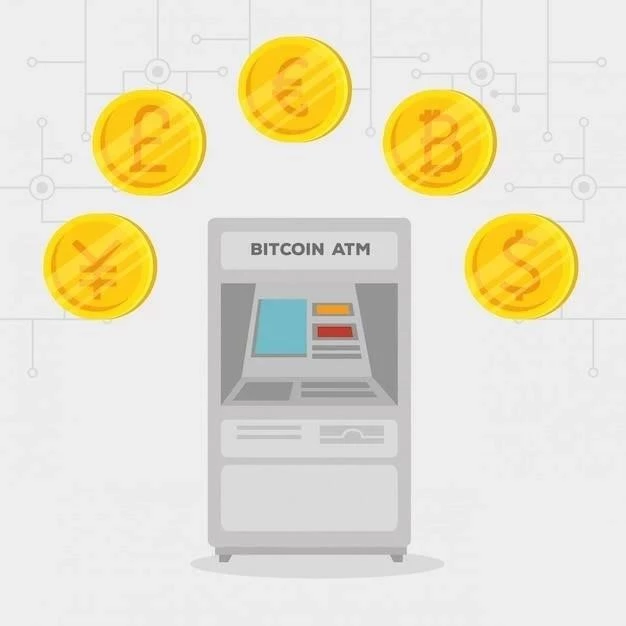
In the rapidly evolving world of digital finance, cryptocurrencies have transitioned from niche interest to mainstream investment and transaction methods. For many, the idea of buying or selling Bitcoin, Ethereum, or other altcoins still conjures images of complex online exchanges and digital wallets. However, a more tangible and increasingly accessible gateway exists: the cryptocurrency ATM. These machines offer a bridge between the physical world of cash and the digital realm of crypto, providing a straightforward way to engage with the market. If you’ve ever pondered, “Where can I find a crypto ATM near me?”, this detailed guide will illuminate the path, covering everything from discovery to usage and important considerations.
What Exactly is a Crypto ATM?
A cryptocurrency ATM, often referred to as a BTM (Bitcoin Teller Machine), functions much like a traditional bank ATM but instead of dispensing fiat currency from your bank account, it facilitates the exchange of cash for cryptocurrency, or vice-versa. While most support Bitcoin, an increasing number now offer options for Ethereum, Litecoin, Bitcoin Cash, Dogecoin, and various other popular assets. They are typically two-way (allowing both buying and selling) or one-way (only buying). These machines are operated by third-party companies, not banks, and connect directly to cryptocurrency exchanges to execute transactions, offering a tangible bridge for those converting physical cash into digital currency, or vice versa, without needing a bank account or credit card for online transactions.
How to Locate a Crypto ATM Near You
Finding a local crypto ATM is significantly easier than it once was, thanks to dedicated online resources and the growing proliferation of these machines. Here are the most effective methods:
- Dedicated Crypto ATM Maps: Several websites specialize in mapping crypto ATM locations globally. The most prominent and reliable include:
- Coin ATM Radar (coinatmradar.com): This is arguably the most comprehensive resource, allowing you to search by location, cryptocurrency supported, machine type (buy/sell), and operator. Listings often include an address, operating hours, fees, and user reviews.
- Bitcoin ATM Map (bitcoinatmmap.com): Another useful tool, though perhaps slightly less extensive than Coin ATM Radar.
When using these maps, simply enter your city, postcode, or allow the site to use your current location to display nearby options.
- General Online Search Engines: A simple Google search like “Bitcoin ATM [your city]” or “crypto ATM near me” will often yield relevant results, including direct links to operator websites or listings on local business directories.
- Mobile Apps: Some dedicated crypto ATM operators and even general crypto wallet apps might integrate an ATM locator feature. Check your preferred crypto app’s functionalities.
- Social Media and Local Forums: Local cryptocurrency communities on platforms like Reddit or Telegram might share information about newly installed ATMs or provide recommendations based on user experiences.
Key Features and Services Offered
Once you’ve located a potential ATM, understanding its capabilities is crucial:
- Buy and/or Sell: Confirm if the machine is one-way (buy only) or two-way (buy and sell). If you intend to cash out crypto, ensure it supports selling.
- Supported Cryptocurrencies: While Bitcoin (BTC) is almost universally supported, check if the ATM handles Ethereum (ETH), Litecoin (LTC), Bitcoin Cash (BCH), Dogecoin (DOGE), or other altcoins you’re interested in.
- Fees and Exchange Rates: Crypto ATMs typically charge higher fees than online exchanges, often ranging from 5% to 15% per transaction. These fees are usually incorporated into the exchange rate displayed on the screen. Always compare the on-screen rate with current market rates to understand the premium you’re paying.
- Transaction Limits and KYC: Most ATMs have daily transaction limits, which can vary significantly by operator and location. For larger transactions, you will almost certainly be subject to Know Your Customer (KYC) regulations, which may involve scanning an ID, verifying a phone number, or even providing a fingerprint. Smaller transactions might bypass strict KYC.
- Payment Methods: Primarily, crypto ATMs accept cash. Some newer models might also accept debit cards, though this is less common.
Benefits of Using a Crypto ATM
- Speed and Convenience: Transactions are often instant. You get your crypto almost immediately after inserting cash.
- Accessibility: They provide a physical point of interaction for those who prefer not to use online exchanges or don’t have bank accounts.
- Simplicity: The user interface is typically designed to be intuitive, guiding you step-by-step through the process.
- Privacy (for smaller transactions): While large transactions require KYC, smaller ones might allow for a degree of anonymity, depending on local regulations and operator policies.
Drawbacks and Important Considerations
- High Fees: As mentioned, ATM fees are generally higher than online platforms. Factor this into your decision.
- Exchange Rate Volatility: The crypto market is volatile. The rate you see on the screen might change slightly by the time your transaction is confirmed.
- Security Risks: Be aware of your surroundings when using an ATM, especially if you’re carrying a significant amount of cash or displaying your crypto wallet on your phone.
- Regulatory Compliance: Regulations vary by country and region. Ensure you understand any local laws regarding crypto transactions.
- Limited Features: Unlike online exchanges, ATMs don’t offer advanced trading features, portfolio management, or a wide array of altcoins.
- Customer Support: Unlike online exchanges, ATM operators might offer limited or slower customer service, a concern if a transaction encounters issues.
How to Use a Crypto ATM: A Step-by-Step Guide (Buying Bitcoin Example)
- Prepare Your Wallet: Before heading to the ATM, ensure you have a cryptocurrency wallet set up on your smartphone (e.g., Exodus, Trust Wallet, MetaMask for ETH-based tokens, or a dedicated Bitcoin wallet). You’ll need your wallet’s public address (QR code) to receive the crypto.
- Locate and Select: At the ATM, select “Buy Bitcoin” (or your desired crypto).
- Enter Amount/Scan QR: The machine will typically ask you to enter the amount of cash you wish to insert or scan your wallet’s QR code to specify the destination address. Double-check that the address displayed on the ATM screen matches your wallet’s address exactly, as errors can result in irreversible loss of funds.
- Insert Cash: Feed your cash into the machine. The screen will update to show the equivalent amount of crypto you will receive.
- Confirm Transaction: Review the details (amount, fees, final crypto received, destination address) and confirm.
- Receive Crypto: The crypto will be sent to your wallet. This usually takes a few minutes, depending on network congestion. You’ll often receive a receipt with a transaction ID.
- Verify: Check your wallet to confirm the reception of the cryptocurrency.
For selling, the process is reversed: you send crypto from your wallet to the ATM’s address, and the machine dispenses cash after confirming the transaction.
The Future of Crypto ATMs
As cryptocurrency adoption grows, so too does the network of crypto ATMs. We can expect increased functionality, lower fees due to competition, and support for a broader range of assets. Integration with more payment methods and enhanced security features are also likely developments. The continuous expansion of these physical access points underscores the increasing demand for straightforward, immediate crypto transactions, cementing their vital role in onboarding new users and providing a convenient off-ramp for existing ones, effectively bridging the gap between traditional finance and the decentralized future of money.
The quest for “crypto ATM near me” is a common starting point for many looking to dip their toes into the cryptocurrency market or needing a quick way to convert digital assets to cash. While they offer unparalleled convenience and accessibility, it’s crucial to approach them with an understanding of their fee structure, transaction limits, and security considerations. By leveraging online mapping tools and following best practices, you can confidently navigate the world of crypto ATMs, making them a valuable tool in your cryptocurrency journey.