
Crypto’s New Year A Look Back and Forward
March 1, 2026
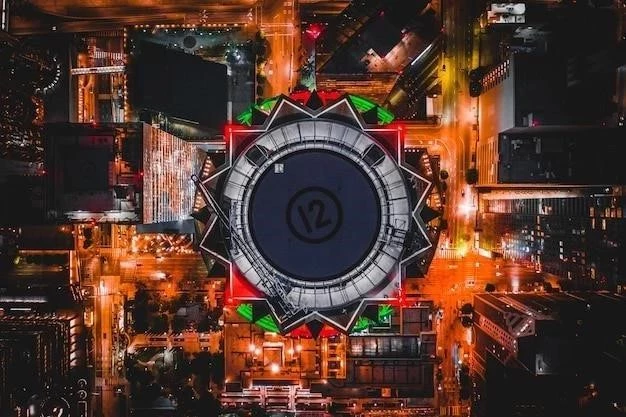
Crypto.com Arena: Los Angeles’s Evolving Sports and Entertainment Icon
March 2, 2026
Ethereum is a decentralized, open-source blockchain platform that enables the creation and execution of smart contracts and decentralized applications (dApps). Launched in 2015 by Vitalik Buterin, it expanded the utility of blockchain technology far beyond simple digital currency transactions, envisioning a “world computer” where applications run without central authority or intermediaries. Ethereum has since become the largest and most actively used programmable blockchain, fostering a vibrant ecosystem of innovation.
Ether (ETH): The Network’s Native Cryptocurrency
Ether (ETH) is the native cryptocurrency of the Ethereum network. While often confused with Ethereum itself, ETH serves several crucial functions: it’s primarily used to pay for transaction fees (known as “gas”), to secure the network through staking (post-Merge), and to act as a store of value or a medium of exchange within the Ethereum ecosystem. Every operation on the Ethereum blockchain, from sending tokens to executing complex smart contracts, requires a certain amount of ETH as gas to compensate network validators for their computational efforts.
Smart Contracts: Code-Based Agreements
At the core of Ethereum’s innovation are smart contracts. These are self-executing contracts with the terms of the agreement directly written into lines of code. They run on the Ethereum Virtual Machine (EVM), a powerful global computer that processes transactions and executes smart contract logic across the network. Smart contracts operate automatically and immutably once deployed, eliminating the need for intermediaries, thereby enabling trustless, transparent, and tamper-proof agreements between parties.
Key Innovations and Transformative Use Cases
- Decentralized Finance (DeFi): Ethereum is the backbone of the DeFi movement. It powers a vast array of financial applications offering lending, borrowing, decentralized exchanges (DEXs), stablecoins, and yield farming, all without traditional financial institutions.
- Non-Fungible Tokens (NFTs): NFTs, unique digital assets representing ownership of items like art, music, collectibles, and virtual real estate, primarily live on the Ethereum blockchain. Standards like ERC-721 and ERC-1155 define how these unique tokens operate.
- Decentralized Applications (dApps): Thousands of dApps, ranging from gaming and social media to supply chain management and identity solutions, operate on Ethereum, leveraging its decentralized infrastructure for censorship resistance and user control.
- Decentralized Autonomous Organizations (DAOs): Ethereum facilitates DAOs, organizations governed by smart contracts and token holders rather than a central authority, enabling collective decision-making and transparent governance models.
The Merge: A Shift to Proof-of-Stake
A pivotal upgrade for Ethereum was “The Merge” in September 2022. This monumental transition saw Ethereum move from an energy-intensive Proof-of-Work (PoW) consensus mechanism to a more energy-efficient and scalable Proof-of-Stake (PoS) system. This fundamental shift, part of the broader “Ethereum 2.0” roadmap (now simply ‘Ethereum’), significantly enhances network security, reduces energy consumption by over 99%, and lays the groundwork for future scalability improvements like sharding. Under PoS, validators “stake” their ETH to propose and validate new blocks, earning rewards for their participation, making the network substantially more sustainable and resilient.
Challenges and Future Outlook
Before The Merge, Ethereum faced significant challenges with scalability and high transaction fees (gas fees) during periods of network congestion. While PoS addressed energy concerns and set the stage for scalability, further upgrades, including Danksharding and proto-danksharding, are crucial for achieving mass adoption by dramatically increasing transaction throughput and reducing costs. The complexity of developing on Ethereum and the evolving global regulatory landscape also present ongoing hurdles.
Despite these challenges, Ethereum’s robust developer community, continuous innovation, and established ecosystem position it as a foundational layer for the future of Web3. Its ability to host a vast array of decentralized applications and financial services ensures its central role in the evolving digital economy.
Ethereum has profoundly reshaped the digital landscape, moving blockchain technology beyond simple currency to a programmable platform for decentralized applications. With its ongoing evolution towards a more scalable and sustainable architecture, Ethereum continues to drive innovation, offering a glimpse into a future built on transparency, decentralization, and trustless interactions. Its undeniable impact on finance, art, gaming, and digital identity solidifies its place as a cornerstone of the emerging Web3 era.