

The Crypto Bro Phenomenon
January 17, 2026
The Rise of Sui Crypto
January 18, 2026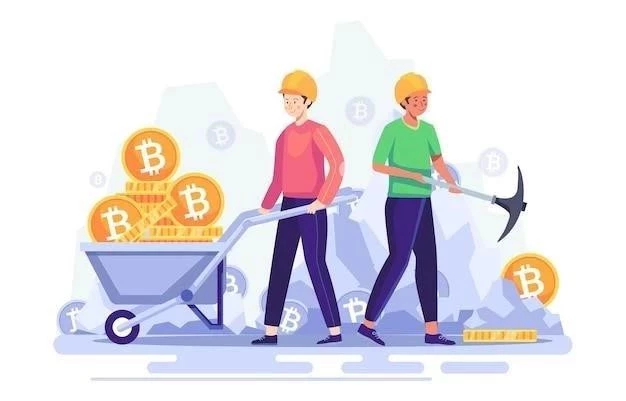
Crypto mining verifies transactions and adds them to the blockchain, the digital ledger for various cryptocurrencies․ It’s also how new coins are released․ This complex, energy-intensive process is fundamental to securing and maintaining decentralized networks like Bitcoin and many others․ Without miners, these networks couldn’t validate transactions or create new blocks, effectively ceasing to function․
How Crypto Mining Works: The Proof-of-Work Mechanism
Most cryptocurrencies, like Bitcoin, use a consensus mechanism called Proof-of-Work (PoW)․ PoW requires participants, known as miners, to expend computational effort to solve a complex mathematical puzzle – essentially a cryptographic hash function․
Hashing and Nonce
To create a new block, a miner gathers a collection of unconfirmed transactions, combines them with a timestamp, and the previous block’s hash into a unique block header․ The miner’s primary goal is to find a specific “nonce” (a random number used only once)․ When this nonce is combined with the block header data and run through a hashing algorithm (e․g․, SHA-256 for Bitcoin), it must produce an output hash below a specific “target difficulty․”
The network dynamically adjusts this target difficulty․ This ensures new blocks are found at a consistent rate (e․g․, every 10 minutes for Bitcoin), preventing them from being found too quickly or too slowly․
Block Creation and Validation
Miners continuously guess nonces, performing billions or trillions of hashes per second․ The first miner to find a valid hash broadcasts their block․ Other nodes verify its authenticity and the validity of its transactions․ Once verified by a network majority, the block is added to the blockchain, becoming an immutable part of the ledger․
Miner’s Reward
For successfully adding a block, the winning miner receives:
- Block Reward: Newly minted cryptocurrency․ This reward halves periodically (a “halving” event) to control inflation․
- Transaction Fees: Fees attached to transactions included in the block․
Types of Crypto Mining
The evolution of crypto mining has seen various technologies emerge to handle increasing difficulty and competition․
- CPU Mining: Early Bitcoin mining used Central Processing Units (CPUs)․ It quickly became obsolete for most major cryptocurrencies due to low hash rate and inefficiency․
- GPU Mining: Graphics Processing Units (GPUs) are efficient at parallel computations for hashing․ GPU mining became standard for many altcoins and was popular for Ethereum before its PoS transition․
- ASIC Mining: Application-Specific Integrated Circuits (ASICs) are specialized hardware designed solely for mining a specific algorithm (e․g․, SHA-256 for Bitcoin)․ ASICs offer significantly higher hash rates and energy efficiency but are expensive, loud, and can become obsolete quickly․
- Cloud Mining: Allows renting computing power from a data center․ Users pay a fee and receive a share of profits, avoiding hardware maintenance․ Risks include scams and potentially lower profitability due to fees․
- Pool Mining: Due to immense difficulty, most miners join “mining pools” to combine hashing power․ When the pool mines a block, rewards are distributed proportionally to each participant’s contribution, providing a more consistent, albeit smaller, income stream compared to solo mining․
Hardware and Software for Mining
Setting up a mining operation requires specific components․
Hardware
- Mining Rigs (GPU): Multiple GPUs (e․g․, 4-12) connected to a motherboard, powerful Power Supply Unit (PSU), RAM, basic CPU, and often an open-air frame for cooling․
- ASIC Miners: Standalone units for specific algorithms․ Compact, but generate significant heat and noise, requiring dedicated cooling․
- Power Supply Units (PSUs): Critical, as mining hardware consumes substantial electricity․ Must be powerful and reliable․
- Cooling Systems: Essential for optimal operating temperatures․ Ranges from fans to liquid cooling․
- Internet Connection: Stable, high-bandwidth connection is crucial for blockchain and pool communication․
Software
- Operating System: Often a lightweight Linux distribution (e․g․, HiveOS, RaveOS) optimized for mining, or Windows․
- Mining Software: Programs like CGMiner, BFGMiner (for ASICs/Bitcoin), Claymore, PhoenixMiner (for GPUs)․ These connect to mining pools and coordinate hashing․
- Wallet Software: A digital wallet is needed to receive and store mined cryptocurrency․
Profitability and Factors Affecting It
Crypto mining profitability is a dynamic equation influenced by several key factors:
- Electricity Costs: Often the largest expense․ Miners operating in regions with exceptionally low electricity rates possess a significant competitive advantage․
- Hardware Costs: Initial investment in GPUs, ASICs, or other components must be recouped․
- Cryptocurrency Price: Market value of the mined coin directly impacts the fiat value of rewards․ Volatility impacts profitability․
- Network Difficulty: More miners increase difficulty, requiring more computational power per block, reducing individual chances or pool share․
- Block Reward and Halving Events: Fixed block reward decreases over time via halving events (e․g․, Bitcoin’s ~4 years), reducing new coins received per block․
- Transaction Fees: Can be a significant portion of miner revenue, especially during high network congestion․
- Pool Fees: A percentage of earnings taken by the mining pool․
Calculating profitability requires careful consideration of all these variables, often using online calculators․
Environmental Impact of Crypto Mining
A significant criticism of Proof-of-Work crypto mining is its substantial energy consumption․ The continuous computational effort for networks like Bitcoin creates a considerable carbon footprint, often from fossil fuels․
However, the industry is trending towards sustainability:
- Renewable Energy Adoption: Large-scale operations seek locations with abundant renewable energy (hydroelectric, geothermal, solar, wind)․
- Stranded Energy: Miners increasingly utilize excess energy from renewables that would otherwise go unused․
- Efficiency Improvements: Hardware manufacturers innovate for more energy-efficient ASICs, reducing electricity per hash․
The debate around crypto mining’s environmental impact is ongoing, with proponents highlighting its potential to incentivize renewable energy and critics emphasizing current carbon emissions․
The Future of Crypto Mining
The crypto mining landscape constantly evolves due to technology, market forces, and changing consensus mechanisms․
- Transition to Proof-of-Stake (PoS): Many cryptocurrencies, like Ethereum, shifted from PoW to PoS․ PoS replaces energy-intensive mining with “staking,” where validators lock up holdings․ This dramatically reduces energy consumption and alters the economic model․
- Continued ASIC Dominance: For PoW cryptocurrencies using algorithms like SHA-256 (Bitcoin), ASICs will likely dominate due to superior efficiency․
- Decentralization Concerns: Increased centralization of mining power in large pools and corporate operations raises concerns about decentralization․
- Regulatory Scrutiny: Governments worldwide are examining mining’s energy consumption, potentially leading to new regulations․
Crypto mining is a crucial component of many decentralized blockchain networks, securing transactions, validating blocks, and introducing new currency․ It has evolved from CPU mining to specialized ASICs and powerful GPUs, with PoW remaining a powerful, energy-intensive consensus mechanism․
The industry faces challenges from profitability, environmental concerns, and the shift to PoS․ Nevertheless, mining remains vital, driving innovation in hardware, software, and renewable energy, shaping the future of digital finance․