

Cryptocurrency Market: Trends, Regulations, and Innovation
February 5, 2026
Gemini A Comprehensive Overview
February 6, 2026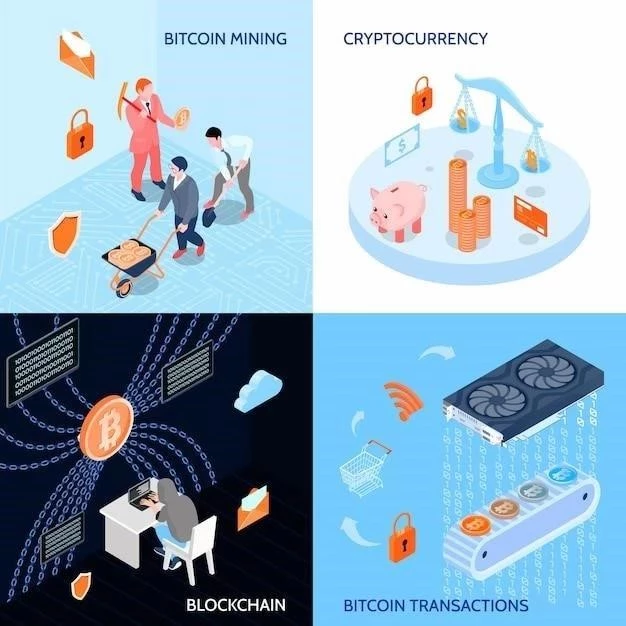
Crypto mining is the fundamental process generating new cryptocurrencies, verifying transactions, and upholding blockchain network security․ It acts as the decentralized backbone for digital currencies like Bitcoin․ Miners use specialized, high-performance computing hardware to solve intricate cryptographic puzzles․ Successful decryption rewards them with cryptocurrency and transaction fees․ This rigorous process is paramount for ensuring the blockchain’s integrity, immutability, and trustworthiness, effectively preventing issues such as double-spending and unauthorized data alterations across the distributed ledger․
How Crypto Mining Works: Proof-of-Work
Proof-of-Work (PoW) is the predominant consensus mechanism in crypto mining, particularly for major coins like Bitcoin․ Here’s a streamlined overview of its operational flow:
- Transaction Verification: New transactions are broadcast across the network․ Miners gather these unconfirmed transactions, compiling them into a “block․”
- Solving the Puzzle: Miners then compete to solve a complex mathematical problem, which involves finding a specific hash value for the block․ This hash must meet a stringent target difficulty, dynamically adjusted by the network to regulate block creation time․ The process is largely trial-and-error, demanding immense computational power and countless attempts per second․
- Block Validation: The first miner to successfully find the correct hash broadcasts their solution and the new block․ Other miners promptly verify its validity․
- Adding to Blockchain: Once verified by a majority, the new block is permanently appended to the existing chain, solidifying transactions and making them immutable․
- Block Reward: The successful miner receives a “block reward” – newly minted cryptocurrency and accumulated transaction fees․ This robust financial incentive is crucial; it consistently motivates miners to dedicate significant resources, thus fundamentally securing the entire network․
Hardware Essential for Crypto Mining
The technological requirements for efficient crypto mining have undergone significant evolution:
- CPUs (Central Processing Units): In the nascent stages of Bitcoin, standard computer CPUs were sufficient․ However, given the exponential increase in network difficulty and competition, CPUs are now overwhelmingly inefficient and unprofitable for most major cryptocurrencies․
- GPUs (Graphics Processing Units): Designed for parallel processing tasks, GPUs proved substantially more efficient than CPUs for cryptographic computations․ They became the industry standard for mining altcoins and were extensively utilized for Bitcoin before more specialized hardware․
- ASICs (Application-Specific Integrated Circuits): These are purpose-built devices engineered exclusively for mining a particular cryptocurrency (e․g․, Bitcoin, Litecoin)․ ASICs deliver exponentially higher hashing power and superior energy efficiency compared to general-purpose GPUs for their designated coin, establishing them as the undisputed dominant force in competitive mining environments due to their specialized design․
Diverse Approaches to Crypto Mining
Miners can select from several operational models:
- Solo Mining: An individual miner attempts to discover blocks independently․ While a successful solo miner receives 100% of the block reward, the probability of success is exceedingly low due to immense global network difficulty and competition․
- Mining Pools: A collective of miners combine their computational resources (hash rate) to significantly enhance their collective chances of solving a block․ When a block is found, the reward is systematically distributed among participants, proportional to each individual’s contribution․ This offers a more consistent, albeit smaller, income stream․
- Cloud Mining: Individuals lease mining hardware and services from a third-party company․ The provider manages equipment, and the user receives a share of profits, typically after deducting fees․ While removing hardware burden, profitability can be questionable due to high fees and lack of control․
Advantages and Disadvantages of Crypto Mining
Advantages:
- Potential for Profitability: Under favorable market conditions, with efficient hardware and low electricity costs, mining can yield significant financial returns․
- Network Decentralization and Security: Miners are critical participants in maintaining the security, integrity, and decentralized nature of blockchain networks by validating transactions and adding new blocks․
- Early Adopter Potential: For emerging cryptocurrencies, early mining participation can result in substantial gains if the coin’s market value appreciates over time․
Disadvantages:
- Substantial Energy Consumption: Crypto mining, particularly PoW, is notoriously energy-intensive, leading to high operational electricity costs and significant environmental footprint concerns․
- High Initial Hardware Investment: Acquiring powerful ASICs or arrays of GPUs represents a considerable upfront capital expenditure․
- Technical Expertise Required: Setting up, configuring, optimizing, and maintaining mining rigs demands a certain level of technical knowledge and ongoing management․
- Market Volatility Exposure: The inherent price volatility of cryptocurrencies directly impacts mining profitability, making returns unpredictable․
- Increasing Network Difficulty: As more miners join and computational power increases globally, the difficulty of solving cryptographic puzzles escalates, diminishing the chances of success for individual or smaller operations․
Environmental Impact of Crypto Mining
The energy demands of Proof-of-Work cryptocurrencies, most notably Bitcoin, have become a focal point of global concern․ The aggregated electricity consumption attributed to Bitcoin mining alone is comparable to the energy usage of entire medium-sized nations․ This substantial energy draw directly translates to a considerable carbon footprint, particularly when mining operations rely heavily on non-renewable fossil fuel-based electricity grids․ While there’s a growing movement and investment in transitioning mining operations towards renewable energy sources, the environmental sustainability of PoW mining continues to be a prominent and contentious debate within the cryptocurrency ecosystem․
The Evolving Future of Crypto Mining
The landscape of crypto mining is undergoing profound transformations:
- Shift Towards Proof-of-Stake (PoS): A significant number of newer cryptocurrencies, and even well-established ones (exemplified by Ethereum’s monumental transition from PoW to PoS), are progressively moving away from the energy-intensive PoW mechanism․ PoS fundamentally alters network security; instead of mining, “validators” secure the network by “staking” their own cryptocurrency, consuming dramatically less energy․
- Increased Regulatory Scrutiny: Governments and regulatory bodies worldwide are intensifying their examination of crypto mining’s energy consumption and its broader environmental ramifications․ This escalating scrutiny could potentially lead to the implementation of stricter regulations, specific taxation, or even outright prohibitions on mining activities in certain jurisdictions․
- Continuous Technological Refinement: Ongoing research and development in ASIC technology aim to enhance energy efficiency and computational power․ However, while these improvements can mitigate some impact, the fundamental energy-intensive nature of the PoW consensus mechanism persists․
Crypto mining stands as a cornerstone process for the operational integrity and security of many decentralized blockchain networks, particularly those employing the Proof-of-Work consensus model․ While it presents compelling opportunities for financial gain and contributes significantly to network decentralization, it is concurrently burdened by formidable challenges․ These include substantial initial hardware expenditures, intricate technical requirements, susceptibility to extreme market volatility, and, most critically, an immense energy footprint with corresponding environmental implications․ As the cryptocurrency sector matures and societal awareness regarding sustainability grows, the discernible trend towards more energy-efficient consensus mechanisms, such as exemplified by Proof-of-Stake, is poised to fundamentally redefine the future paradigms of network security and transaction validation․ Consequently, the ongoing discourse surrounding sustainable mining practices will undoubtedly remain a pivotal and central theme in the expansive global dialogue concerning the evolving role and impact of cryptocurrency․