

Crypto Debit Cards: A Guide to Low and No Fee Options
August 19, 2026
Building a JavaScript-Powered NFT Marketplace
August 20, 2026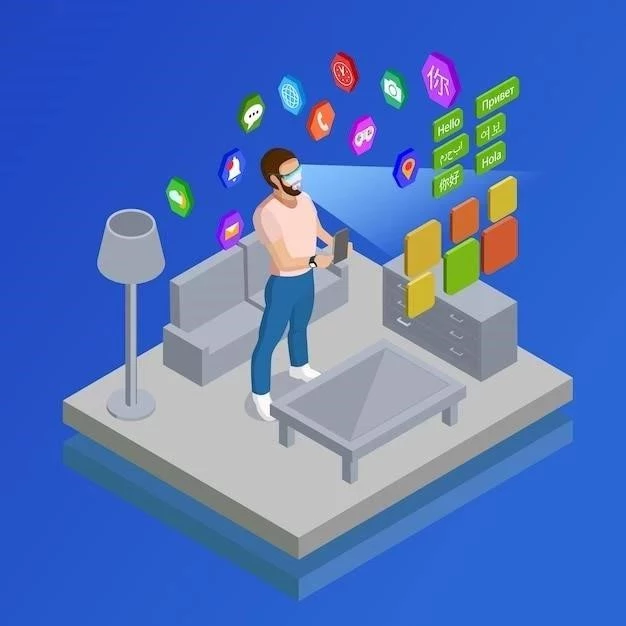
The convergence of the metaverse and Non-Fungible Tokens (NFTs) is rapidly reshaping the digital landscape․ A metaverse NFT marketplace isn’t just a platform for buying and selling digital assets; it’s a gateway to immersive experiences, digital ownership, and new economic models․ This article explores the core concepts, key players, benefits, and future trends of these emerging ecosystems․
What is a Metaverse NFT Marketplace?
Traditionally, NFTs were traded on dedicated NFT marketplaces like OpenSea․ However, the metaverse takes this a step further․ A metaverse NFT marketplace is integrated within a virtual world․ Think of it as a digital storefront inside Decentraland, The Sandbox, or Somnium Space․ Users can browse, buy, sell, and showcase NFTs directly within the immersive environment․ This integration enhances the experience, allowing for contextual use of NFTs – a virtual land parcel displayed on that land, or a wearable skin visibly equipped by an avatar․
Key Features of a Robust Marketplace
- Secure Transactions: Utilizing blockchain technology (typically Ethereum, Solana, or Polygon) for secure and transparent transactions․
- Immersive Browsing: 3D galleries and virtual showrooms for showcasing NFTs․
- Social Interaction: Features enabling users to connect, discuss, and trade NFTs within the metaverse․
- Cross-Metaverse Compatibility: (Future goal) The ability to use NFTs across different metaverse platforms․
- Royalty Management: Automated distribution of royalties to creators on secondary sales․
- Decentralized Governance: Community involvement in platform development and decision-making․
Leading Metaverse NFT Marketplaces
Several platforms are pioneering this space:
- Decentraland Marketplace: Focuses on LAND, wearables, and names within the Decentraland world․
- The Sandbox Marketplace: Allows trading of ASSETS (voxels, models) used to create experiences in The Sandbox․
- Somnium Space Marketplace: Specializes in virtual land, avatars, and other in-world assets․
- Spatial: A social metaverse with NFT gallery features․
- Otherside (by Yuga Labs): A highly anticipated metaverse project with a dedicated NFT marketplace․
Benefits of Metaverse NFT Marketplaces
- Enhanced User Experience: Immersive browsing and contextual NFT usage․
- New Revenue Streams for Creators: Direct access to audiences and opportunities for unique NFT experiences․
- Digital Ownership & Scarcity: NFTs provide verifiable ownership of digital assets․
- Community Building: Marketplaces foster communities around specific NFTs and metaverse projects․
- Interoperability (Potential): The future promise of using NFTs across multiple virtual worlds․
Challenges and Future Trends
Despite the potential, challenges remain․ Scalability, high gas fees (on Ethereum), and the lack of interoperability are significant hurdles․ Future trends include:
- Layer-2 Solutions: Adoption of scaling solutions like Polygon to reduce transaction costs․
- Interoperability Standards: Development of standards allowing NFTs to be used across different metaverses․
- AI-Powered Marketplaces: Using AI to personalize NFT recommendations and enhance discovery․
- Increased Institutional Adoption: More brands and companies entering the metaverse and utilizing NFT marketplaces․
- Fractionalized NFTs: Allowing shared ownership of high-value NFTs․
The metaverse NFT marketplace is still in its early stages, but it represents a fundamental shift in how we interact with digital assets and virtual worlds․ As the metaverse evolves, these marketplaces will become increasingly integral to the digital economy․


