

Justin Posey and the BitConnect Wallet Controversy
September 17, 2026
Cryptocurrency Exchanges in New Zealand A Detailed Overview
September 17, 2026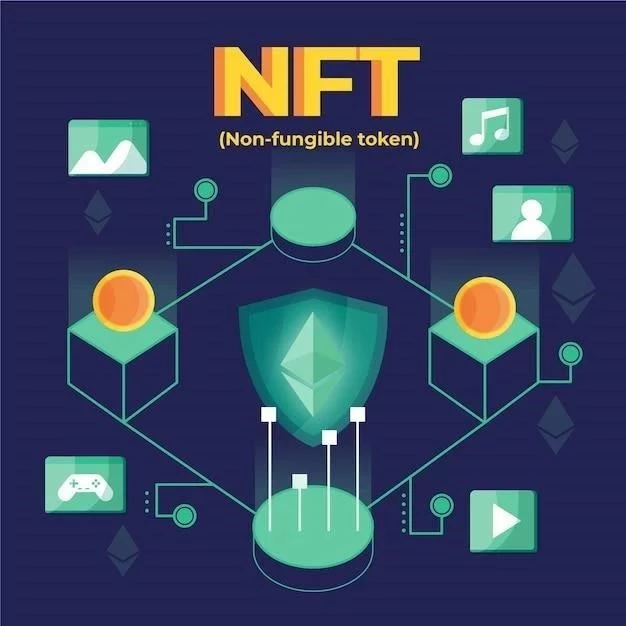
Q NFTs, short for Quantum NFTs, represent a fascinating, emerging evolution within the Non-Fungible Token (NFT) space. Unlike traditional NFTs residing on blockchains like Ethereum, Q NFTs leverage Qubic, a layer-2 solution for Ethereum, offering unique advantages in terms of scalability, cost-effectiveness, and functionality. They aim to address limitations inherent in first-generation NFTs.
What Makes Q NFTs Different?
The core distinction lies in Qubic’s off-chain computation. Traditional NFTs store metadata (images, descriptions) on the blockchain, which can be expensive and slow. Q NFTs store this data off-chain, utilizing Qubic’s network of ‘Qubes’ – decentralized, verifiable computations. This drastically reduces gas fees and allows for more complex NFT logic.
Key Features & Benefits:
- Lower Costs: Significantly reduced gas fees for minting, trading, and interacting with NFTs.
- Scalability: Qubic’s architecture handles a higher volume of transactions than Ethereum directly.
- Dynamic NFTs: Q NFTs can change their properties based on real-world data or on-chain events, creating truly dynamic collectibles.
- Programmable Logic: Complex rules and behaviors can be embedded within the NFT itself, enabling innovative use cases.
- Decentralized Verification: Qubes ensure the integrity of off-chain computations.
Use Cases for Q NFTs
The possibilities are broad. Consider:
- Gaming: In-game items that evolve based on player actions.
- Art: Art pieces that change with weather patterns or market conditions.
- Supply Chain: NFTs representing products with verifiable provenance.
- DeFi Integration: NFTs that unlock access to financial products or yield farming opportunities.
- Digital Identity: Secure and verifiable digital credentials.
The Qubic Ecosystem
Q NFTs are intrinsically linked to the Qubic protocol. Understanding Qubic is crucial. It utilizes a unique oracle system and a Proof-of-Stake (PoS) consensus mechanism. The QUB token powers the Qubic network and is used for paying for Qube computations.
Challenges & Future Outlook
Q NFTs are still relatively new. Challenges include building wider adoption, developing robust tooling, and ensuring the security of the Qubic network. However, the potential benefits – lower costs, scalability, and dynamic functionality – position Q NFTs as a promising advancement in the NFT landscape; Expect to see increased development and integration in the coming years.



2 Comments
I’m not sure where you’re getting your info, but great topic. I needs to spend some time learning much more or understanding more. Thanks for fantastic information I was looking for this information for my mission.
I’m really enjoying the design and layout of your website. It’s a very easy on the eyes which makes it much more pleasant for me to come here and visit more often. Did you hire out a developer to create your theme? Exceptional work!