
Storing and Managing 1,000 Bitcoin A Comprehensive Guide
July 26, 2026
Crypto Wallets with Debit Cards: A Comprehensive Guide
July 27, 2026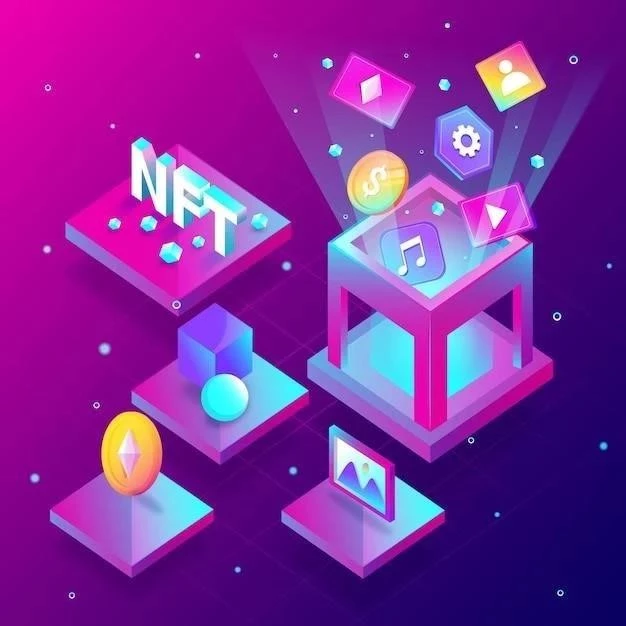
Non-Fungible Tokens (NFTs) have revolutionized digital ownership, and NFT marketplace apps are the gateways to this exciting new world. This article provides a detailed overview of what NFT marketplace apps are, their key features, development considerations, and future trends. We’ll cover everything from basic functionality to advanced features, aiming for a comprehensive understanding.
What is an NFT Marketplace App?
An NFT marketplace app is a digital platform where users can buy, sell, and trade NFTs. These tokens represent ownership of unique digital items, such as artwork, music, collectibles, virtual land, and more. Think of it as eBay, but specifically for digital assets secured by blockchain technology. These apps facilitate secure transactions using cryptocurrencies, primarily Ethereum, but increasingly supporting others like Solana and Polygon.
Key Features of a Successful NFT Marketplace App
- User Authentication: Secure login and registration using wallets like MetaMask, WalletConnect, or native app wallets.
- NFT Listing & Browsing: Intuitive interface for listing NFTs for sale, with detailed descriptions, images/videos, and pricing options. Robust search and filtering capabilities.
- Wallet Integration: Seamless connection to various crypto wallets for buying, selling, and storing NFTs.
- Bidding System: Support for auctions and fixed-price sales.
- Transaction History: Detailed record of all user transactions.
- NFT Details Page: Comprehensive information about each NFT, including creator, ownership history, and properties.
- Smart Contract Integration: Core functionality relies on secure and efficient smart contracts.
- Royalty Management: Automatic distribution of royalties to creators on secondary sales.
- Security Measures: Robust security protocols to protect against fraud and hacking.
Development Considerations
Blockchain Selection:
Ethereum remains the dominant blockchain for NFTs, but alternatives like Solana, Polygon, and Flow offer faster transaction speeds and lower fees. The choice depends on the app’s specific needs.
Smart Contract Development:
Smart contracts are the backbone of any NFT marketplace. They automate transactions and enforce rules. Solidity is the most common language for Ethereum smart contracts.
Frontend Development:
A user-friendly and visually appealing interface is crucial. React, Vue.js, and Angular are popular choices for frontend development.
Backend Development:
Handles data storage, user management, and API integrations. Node.js, Python (Django/Flask), and Ruby on Rails are common backend technologies.
Security Audits:
Thorough security audits are essential to identify and fix vulnerabilities in smart contracts and the app’s code.
Monetization Strategies
- Transaction Fees: Charging a percentage of each sale.
- Listing Fees: Charging a fee to list NFTs for sale.
- Featured Listings: Offering premium placement for a fee.
- Commission on Royalties: Taking a small commission from creator royalties.
Future Trends
The NFT marketplace landscape is rapidly evolving. Expect to see:
- Increased Interoperability: NFTs becoming usable across multiple platforms.
- Fractionalized NFTs: Allowing users to own a portion of high-value NFTs.
- Integration with the Metaverse: NFTs playing a central role in virtual worlds.
- AI-Powered Features: AI assisting with NFT creation, discovery, and valuation.



1 Comment
cerncm