

Ethereum Staking Issues: Withdrawals, Slashing, Centralization, and LSDs
September 23, 2026
iShares Ethereum Staking ETF: A Detailed Look at ETHQ
September 25, 2026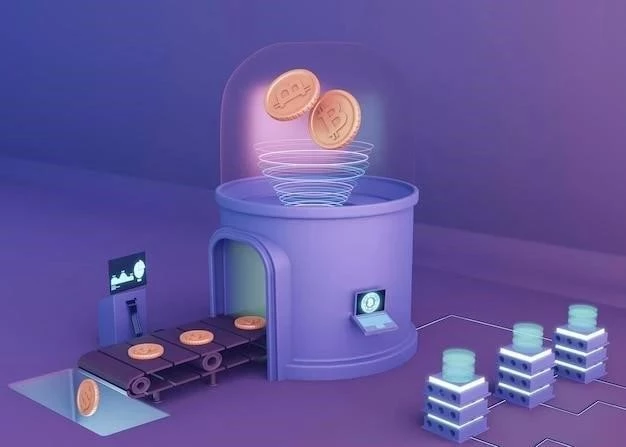
The cryptocurrency landscape is constantly evolving, with new platforms and coins emerging regularly․ Qt Coin Exchange (QTCX) aims to be a significant player, offering a decentralized exchange (DEX) focused on speed, security, and user experience․ This article provides a detailed overview of QTCX, covering its features, technology, benefits, and potential drawbacks․
What is Qt Coin Exchange?
Qt Coin Exchange is a non-custodial, decentralized exchange built on the Qtum blockchain․ Unlike centralized exchanges where you deposit your funds and trust the exchange to hold them, QTCX allows users to maintain complete control of their private keys and assets․ Transactions are executed directly between users via smart contracts, minimizing the risk of hacks or fund seizures․ It primarily focuses on facilitating the trading of QTM (Qtum) and other compatible tokens․
Key Features of QTCX
- Decentralization: Users retain full control of their funds․ No intermediary holds your assets․
- Non-Custodial: Eliminates the single point of failure associated with centralized exchanges․
- Smart Contract Based: Trades are executed automatically and securely through smart contracts․
- Qtum Blockchain: Leverages the speed and security of the Qtum blockchain․
- Low Fees: Generally offers lower transaction fees compared to centralized exchanges․
- User-Friendly Interface: Aims for a relatively intuitive interface, making it accessible to both beginners and experienced traders․
- Support for Multiple Tokens: While focused on QTM, QTCX supports a growing list of Qtum-compatible tokens․
How Does Qt Coin Exchange Work?
QTCX operates using an Automated Market Maker (AMM) model․ Instead of traditional order books, liquidity is provided by users who deposit token pairs into liquidity pools․ These pools enable trading by automatically adjusting prices based on the ratio of tokens within the pool․ When a trade occurs, a small fee is charged, which is distributed to the liquidity providers as a reward․
- Connect Wallet: Users connect their Qtum wallet (e․g․, Core Wallet, QWallet) to the QTCX platform․
- Select Trading Pair: Choose the token pair you want to trade (e․g․, QTM/BTC)․
- Enter Trade Amount: Specify the amount of one token you want to exchange․
- Confirm Transaction: Review the transaction details and confirm it through your wallet․
- Receive Tokens: The exchanged tokens are automatically sent to your wallet․
Benefits of Using QTCX
Enhanced Security: The non-custodial nature significantly reduces the risk of hacking and theft․ You are always in control of your private keys․
Greater Privacy: DEXs generally require less personal information compared to centralized exchanges․
Lower Fees: Transaction fees are typically lower than those charged by centralized exchanges․
Accessibility: Anyone with a Qtum wallet can participate in trading․
Censorship Resistance: Decentralized exchanges are less susceptible to censorship or control by governments or other entities․
Potential Drawbacks
Liquidity: DEXs can sometimes suffer from lower liquidity compared to centralized exchanges, potentially leading to slippage (the difference between the expected price and the actual price of a trade)․
Complexity: Understanding AMMs and liquidity pools can be challenging for beginners․
Impermanent Loss: Liquidity providers are exposed to the risk of impermanent loss, which occurs when the price ratio of the tokens in a pool changes․
Transaction Speed: While Qtum is relatively fast, transaction speeds can still be slower than those on some centralized exchanges․
The Future of Qt Coin Exchange
QTCX is continually evolving, with ongoing development focused on improving liquidity, enhancing the user interface, and expanding the range of supported tokens․ The success of QTCX, like other DEXs, will depend on its ability to attract liquidity providers and traders, and to provide a secure and user-friendly trading experience․ The growing demand for decentralized finance (DeFi) suggests a promising future for platforms like Qt Coin Exchange․


