
Understanding Crypto ETFs
February 28, 2026
Crypto’s New Year A Look Back and Forward
March 1, 2026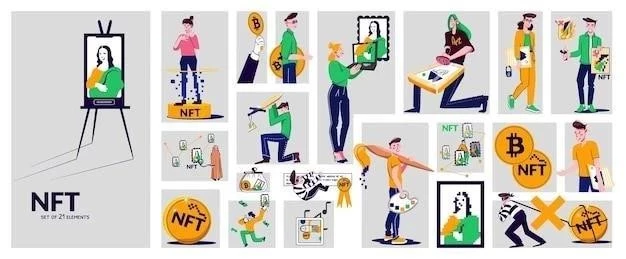
The term “crypto images” has rapidly evolved‚ fundamentally reshaping our understanding of digital art‚ ownership‚ and culture․ Its most prominent manifestation is Non-Fungible Tokens (NFTs)‚ unique digital assets that have created new markets for artists and collectors‚ igniting a global conversation about the value and authenticity of digital creations in an increasingly virtual world․ This paradigm champions a future where digital scarcity is verifiable and ownership is sovereign‚ moving beyond the traditional internet’s copy-paste paradigm․
Beyond hype‚ crypto images represent a profound shift in how we perceive visual media․ Leveraging blockchain’s immutability and transparency‚ they bestow verifiable ownership upon digital files‚ transforming them from infinitely reproducible data into scarce‚ valuable commodities․ This article explores their technological underpinnings‚ cultural impact‚ challenges‚ and promising future․
The Genesis of Digital Ownership: Understanding NFTs
At the heart of the crypto image revolution are NFTs – unique digital identifiers on a blockchain certifying ownership and authenticity of digital assets․ Unlike fungible cryptocurrencies‚ NFTs are non-fungible‚ making each distinct and irreplaceable․ This revolution has been fueled by a confluence of technological advancements‚ increased digital literacy‚ and a growing desire for authentic digital identity and assets in our increasingly online lives․
Buying an NFT means acquiring a unique token representing ownership of a specific digital item‚ not necessarily the file itself․ This token’s verifiable blockchain record includes creator information‚ transaction history‚ and current owner‚ providing unprecedented digital provenance․
How NFTs Work
- Blockchain Technology: Most NFTs are built on Ethereum‚ utilizing its smart contract functionality․ Other blockchains like Solana‚ Polygon‚ and Tezos are also gaining traction․
- Smart Contracts: Self-executing contracts with terms written into code․ For NFTs‚ they define ownership‚ manage transferability‚ and can include creator royalties on secondary sales․
- Metadata: The actual image file is rarely stored on the blockchain due to costs․ Instead‚ the NFT’s metadata‚ pointing to the digital asset’s location (often IPFS ⏤ InterPlanetary File System)‚ is stored on-chain․
- Token Standards: Ethereum’s ERC-721 is the most common standard for NFTs‚ ensuring interoperability․ ERC-1155 allows for both fungible and non-fungible tokens‚ enabling batch transactions․
Diverse Forms and Functions of Crypto Images
Crypto images manifest in diverse forms‚ serving unique purposes and captivating audiences․ From high-value digital art to interactive metaverse assets‚ their applications continually expand․ The market for these digital assets has exploded‚ reaching billions of dollars and attracting a diverse range of participants․ Major NFT marketplaces such as OpenSea‚ Rarible‚ and Magic Eden serve as crucial hubs for discovery‚ trading‚ and community interaction‚ facilitating billions in transactions․
Digital Art and Collectibles
This represents the most visible segment․ Artists tokenize digital creations‚ selling directly to a global audience without traditional intermediaries․ Examples include:
- Generative Art: Algorithms create unique pieces based on parameters‚ resulting in collections like CryptoPunks or Bored Ape Yacht Club (BAYC)․
- One-of-One Art: Unique digital paintings‚ illustrations‚ or animations‚ often fetching millions‚ such as Beeple’s “Everydays: The First 5000 Days․”
- Photography NFTs: Tokenized photographs offer new avenues for photographers to monetize work and establish verifiable provenance․
- Sports Collectibles: Digital trading cards or moments‚ like NBA Top Shot‚ add a new dimension to sports memorabilia․
Utility-Based NFTs
Beyond aesthetic value‚ many crypto images offer practical utility‚ granting specific benefits or access․ This shift from purely speculative assets to functional tools highlights the evolving utility of NFTs‚ integrating them deeper into digital ecosystems and offering tangible benefits beyond simple collection․
- Access Tokens: NFTs serve as digital tickets or membership passes‚ providing exclusive access to events‚ communities (e․g․‚ Discord)‚ or premium content․
- In-Game Assets: In blockchain games‚ characters‚ skins‚ weapons‚ and other items are NFTs‚ allowing true player ownership and external trading․
- Metaverse Land: Virtual land in metaverse platforms like Decentraland or The Sandbox are NFTs‚ allowing owners to build‚ monetize‚ and interact within these worlds․
- Fractionalized NFTs: High-value NFTs can be divided into smaller‚ fungible tokens‚ allowing shared ownership of expensive pieces‚ democratizing investment․
Crypto Culture and Memes
The broader crypto ecosystem is rich with visual culture‚ expressed through memes‚ branding‚ and community-driven imagery․ While not always NFTs‚ these images shape identity and communication within the crypto space․ NFT communities often form Decentralized Autonomous Organizations (DAOs)‚ allowing holders to collectively govern project development‚ treasury management‚ and future initiatives‚ embodying a new model of collaborative ownership and decision-making․
- Meme Coins and Imagery: Iconic images like the Doge meme (Dogecoin‚ Shiba Inu) or Pepe the Frog are integral to crypto branding and community spirit․
- Blockchain Visualizations: Images and infographics representing complex blockchain data‚ transaction flows‚ or network structures‚ make abstract concepts more digestible․
- Project Logos and Branding: The visual identity of cryptocurrencies and blockchain projects‚ like Bitcoin’s ‘B’ or Ethereum’s octahedron logo‚ are instantly recognizable symbols within the digital economy․
The Transformative Impact of Crypto Images
Crypto images have brought significant changes across sectors‚ challenging traditional models and opening new frontiers․
Empowering Artists and Creators
- Direct Monetization: Artists sell work directly to collectors‚ eliminating intermediaries and retaining more revenue․ This new model of patronage not only provides financial independence but also fosters a direct‚ intimate relationship between creators and their supporters‚ bypassing traditional gatekeepers entirely․
- Global Reach: NFTs provide artists access to a worldwide audience‚ fostering diverse communities and new patronage models․
- Creator Royalties: Smart contracts automatically pay a percentage of future secondary sales back to the creator‚ providing ongoing passive income․
- Verifiable Provenance: Blockchain records ensure authenticity and clear ownership history‚ protecting artists’ intellectual property digitally․
Reshaping Digital Ownership and Value
- True Digital Scarcity: Crypto images introduce verifiable scarcity to digital assets‚ making them collectible and valuable in ways previously impossible for reproducible digital files․
- New Asset Class: NFTs have emerged as a distinct asset class‚ attracting investors‚ collectors‚ and speculators‚ diversifying portfolios․
- Community and Identity: Owning certain NFTs signifies membership in exclusive communities‚ granting social status and forming new digital identities․
Challenges and Criticisms in the Crypto Image Space
Despite their revolutionary potential‚ crypto images face controversies and hurdles․ Addressing these is crucial for long-term sustainability and broader adoption․
Environmental Concerns
Energy consumption from Proof-of-Work (PoW) blockchains‚ especially Ethereum before “The Merge” to Proof-of-Stake (PoS)‚ was a significant criticism․ Minting and transacting NFTs on PoW chains had a substantial carbon footprint․ While PoS offers a more energy-efficient alternative‚ PoW’s legacy remains a concern‚ making education on greener blockchains vital․
Market Volatility and Speculation
The NFT market has experienced intense speculation‚ leading to rapid price fluctuations and bubble concerns․ Many view NFTs as purely speculative assets‚ not intrinsic artistic or utility value‚ causing market instability and potential losses for uninformed investors․
Copyright‚ IP‚ and Authenticity Issues
- Copyright Infringement: The ease of “minting” an image as an NFT has led to artists’ work being tokenized and sold without permission‚ raising complex digital copyright questions․
- “Right-Click Save As”: An NFT certifies token ownership‚ but doesn’t automatically confer copyright․ The distinction between owning an NFT and the art’s IP is often misunderstood․
- Scams and Fraud: The nascent market is susceptible to scams‚ rug pulls‚ and phishing attacks‚ where fake NFTs are sold or projects disappear with investor funds․
Accessibility and User Experience
Engaging with crypto images often requires understanding cryptocurrency wallets‚ blockchain transactions‚ and marketplace mechanics—a significant barrier for mainstream users․ The learning curve for new users remains steep‚ involving concepts like seed phrases‚ gas fees‚ and network security‚ which can deter broader adoption and create friction․
The Future Landscape of Crypto Images
The evolution of crypto images is ongoing․ As technology matures and adoption grows‚ several transformative trends are anticipated․
Interoperability and Cross-Chain NFTs
Seamlessly moving NFTs between blockchains will enhance liquidity and utility‚ breaking down ecosystem silos․ Bridges and multi-chain protocols are paving the way for an integrated NFT landscape․
Dynamic NFTs and AI Integration
Next-generation NFTs will be more interactive and dynamic‚ changing based on external data‚ user interactions‚ or AI algorithms․ Imagine artwork evolving with weather or a gaming character leveling based on performance․
Real-World Asset Tokenization (RWA NFTs)
Beyond digital art‚ NFTs will increasingly represent ownership of physical assets like real estate‚ luxury goods‚ and IP rights‚ bridging digital and physical economies․ This offers enhanced liquidity‚ transparency‚ and fractional ownership for traditionally illiquid assets․ Fractionalization of high-value RWAs via NFTs offers unprecedented access to investments previously reserved for the ultra-wealthy‚ democratizing asset ownership on a global scale․
Ubiquitous Integration with the Metaverse
As the metaverse develops‚ NFTs will be fundamental building blocks of digital identity‚ economy‚ and interaction․ Avatars‚ wearables‚ virtual properties‚ and experiences will all be NFTs‚ enabling true ownership and portability across virtual worlds․
Enhanced Regulatory Frameworks
As the market matures‚ regulatory bodies are establishing clearer guidelines for NFTs‚ addressing consumer protection‚ AML‚ and taxation․ This will bring stability and confidence‚ attracting institutional investors and a broader user base․
Crypto images‚ driven by NFT innovation‚ have ushered in a new era of digital imagination‚ ownership‚ and value creation․ They’ve empowered artists‚ redefined collectibles‚ and laid groundwork for new digital economies․ While environmental impact‚ market speculation‚ and regulatory challenges persist‚ the technology’s potential for verifiable scarcity and provenance is profound․
As we look ahead‚ crypto images are poised to become integral to our digital lives‚ moving beyond speculation to offer tangible utility‚ foster vibrant communities‚ and shape the metaverse․ They represent a cultural shift‚ inviting us to rethink ownership‚ creation‚ and interaction in a digitized world․ This journey is a testament to human ingenuity‚ pushing boundaries in the intersection of art‚ technology‚ and finance․